
Tbilisi, the capital of Georgia, is often the point of entry into the country, which makes it busier with tourists than other Georgian destinations. Yet it has a particular charm built on contrasts, with restored Art Nouveau and early twentieth-century buildings standing next to semi-abandoned ones. Hills reachable by cable car sit alongside an entire thermal bath district in the heart of the city. Having explored it myself over several days, I’ll tell you what to see in Tbilisi, nearby destinations if you have more time, and how to plan your visit.
PLAN YOUR TRIP TO GEORGIA
Stay online everywhere in Georgia with Holafly eSIM and enjoy unlimited data, fast internet, no roaming: perfect for using Google Maps and sharing your trip as you go.
Travel worry-free with Heymondo travel insurance, so you can enjoy every moment of your Georgian adventure without stress.
Table of Contents
What to See in Tbilisi: Main Attractions
Founded in the fifth century, Tbilisi has around 1.2 million residents and is Georgia’s largest city. It sits along the Kura River, at the crossroads between Europe and Asia. For centuries it has served as a meeting point for cultures, religions and trade. Despite being the capital, the centre of Tbilisi is compact enough to explore comfortably on foot, even though the city spreads across several hills.
Among the places that best represent Tbilisi, and that you shouldn’t miss on a first visit, are:
- the Old Town
- Abanotubani, the sulphur bath district
- the Meidan Bazaar
- the Narikala Fortress, reachable by cable car
There’s naturally much more to see, and my own few days there only offered a taste of the Georgian capital. The Old Town is the heart of the city, though I found it isn’t entirely authentic anymore. Not far from seemingly abandoned buildings, whole streets now host shisha bars and karaoke venues that cater more to tourists than to locals.
Riding the cable car up the hill where the Narikala Fortress stands let me admire the panorama of the city below. Meanwhile, the thermal district of Abanotubani tells the story of the soul and traditions of Tbilisi, which was actually founded on its sulphur springs.
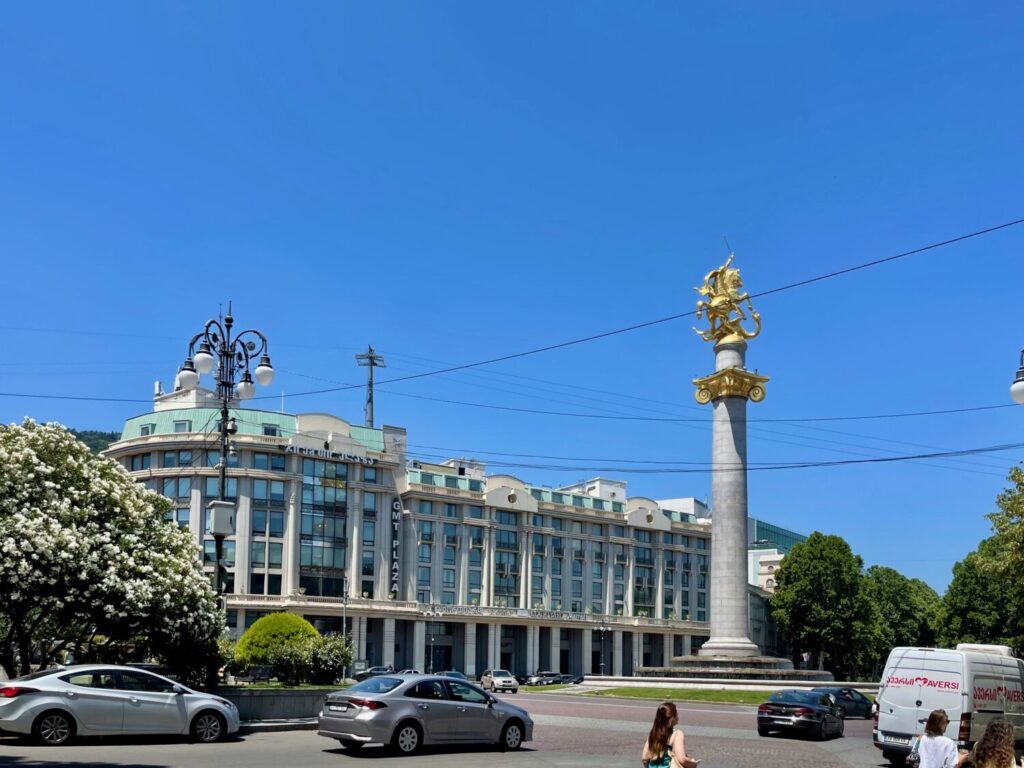
The enormous Freedom Square left me genuinely breathless with its sheer size, and it’s an important city landmark. The golden column of St George is visible from much of the centre. It connects Rustaveli Avenue to the Old Town, making it an almost unavoidable stop on any walk through Tbilisi.
Tbilisi Old Town: Historic Buildings, Wooden Balconies and Street Art
If you picture Tbilisi as a decaying Soviet city, as I once did myself, you’ll certainly be surprised. The architecture of the Old Town combines nineteenth-century buildings, Art Nouveau influences, eclectic elements and the characteristic Georgian wooden balconies with carved detailing. Walking through the historic centre, I saw carefully restored façades right next to areas overrun by tourists.
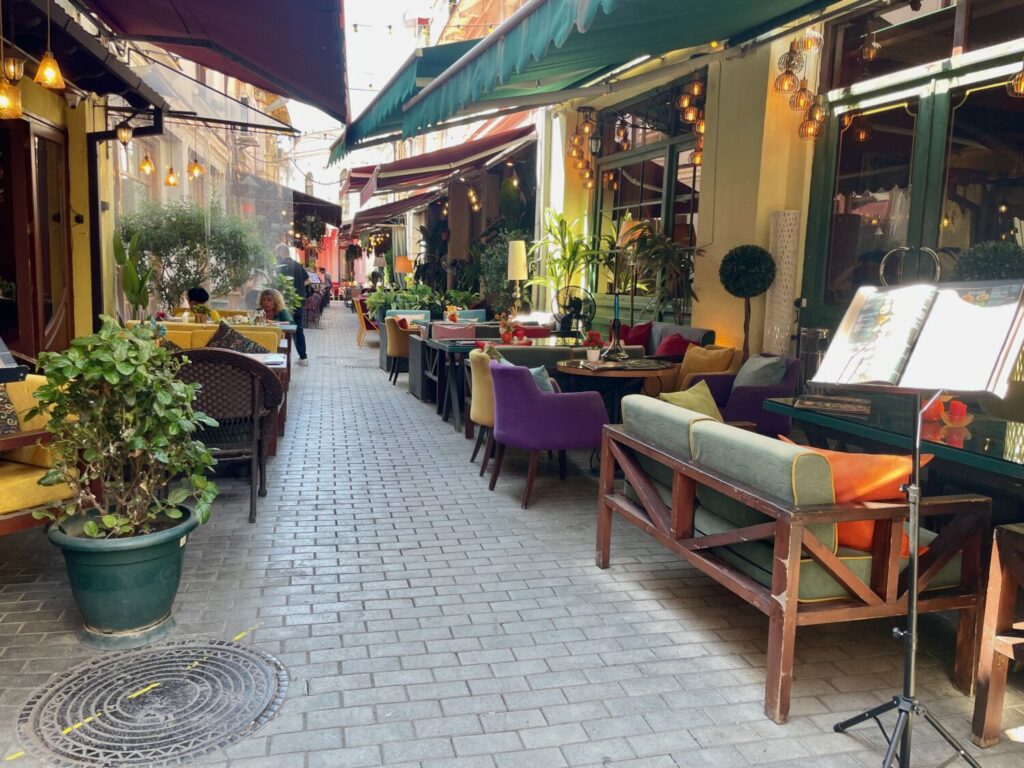
Streets facing the Kura River and the sulphur baths of Abanotubani are, by now, not especially representative of Georgian life. Around these quarters, shisha bars and wine bars, aimed more at tourists than at lovers of traditional Georgian wine, fill the alleyways. You can either enjoy the deliberately touristy atmosphere of the historic centre, or look for authenticity a few streets further out.
To see, probably not for much longer, the old Tbilisi of peeling plaster and bricked-up windows, you need to walk around the Basilica of Saints Peter and Paul, which is exactly where I went looking for it. The Old Town also hides numerous murals depicting cats and khinkali, the typical dumplings of Georgian cuisine, created by the street artist goshaart.
If his playful, poetic style appeals to you, he also organises tours dedicated to discovering all of his murals. At the time of writing, there’s no website where you can book his tours online. You can check for upcoming dates by scanning the QR code found on many of his murals, as I did while wandering the alleys myself.
Abanotubani: Tbilisi’s Sulphur Bath District
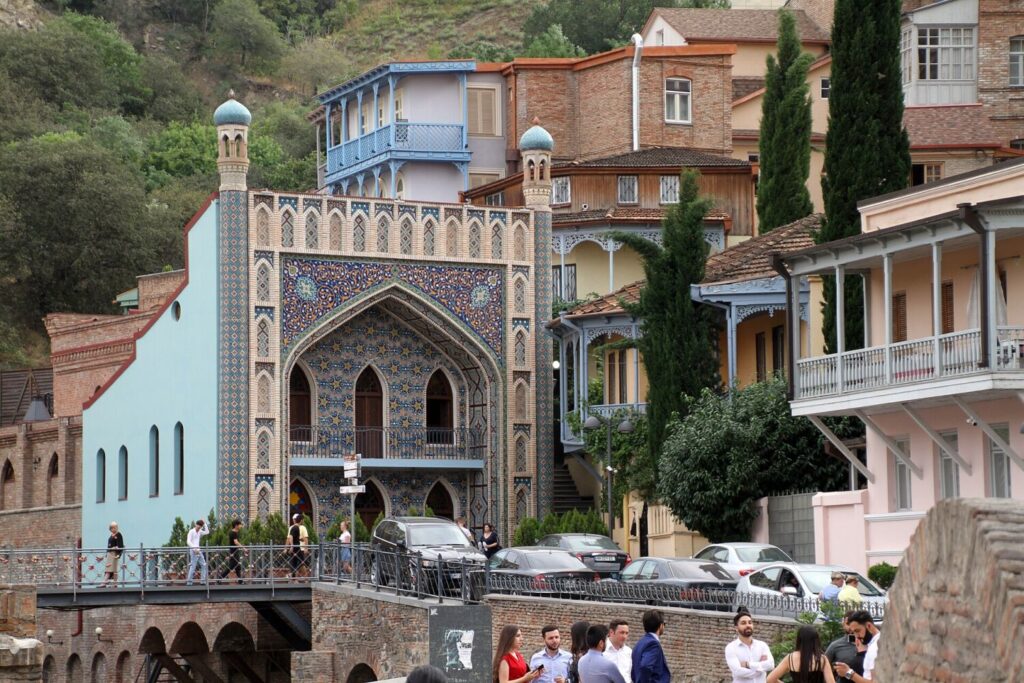
Abanotubani is the historic district where Tbilisi’s famous sulphur springs flow. According to legend, King Vakhtang Gorgasali founded the city after discovering these healing waters, which became the foundation of Tbilisi’s identity and traditions.
The neighborhood’s defining feature is the row of bathhouses, built one right next to the other. You can recognise them by their brick domes, beneath which lie the pools of sulphurous water. After a day spent sightseeing, I found treating myself to a hot soak genuinely restorative, especially given how tired my legs were.
The traditional public baths with shared sulphur pools and showers are gradually disappearing, replaced by private rooms, which are more comfortable and private, but less authentic. Still, I tried both to compare them.
I describe my own experience in detail in my dedicated article on the sulphur baths of Abanotubani, including what the public baths are like away from the tourist circuit. Whichever option you choose, prices remain generally affordable. They’re lower than at spas in Western Europe, and a small extra fee buys you a traditional scrub.
The Narikala Fortress and Tbilisi’s Panoramic Cable Car
The Narikala Fortress sits on a steep hill above Tbilisi, not far from the city’s Botanical Gardens. Unfortunately, during my visit, the fortress was closed, likely for restoration work. As is often the case in Georgia, there was no clear information about when it would reopen, and nobody I asked could tell me either.
Inside the fortress stands a church dedicated to St Nicholas. It replaces the original thirteenth-century building, which was destroyed by fire. The interior is said to be decorated with frescoes depicting scenes from the Bible and Georgian history.
As an alternative, I had wanted to visit Tbilisi’s Botanical Gardens. The signage was so confusing, though, that none of the tourists I met along the way could work out where the entrance was. Even Google Maps couldn’t offer clear directions, so in the end I gave up. The view over the city, however, is genuinely breathtaking, and a pleasant woodland path leads back down.
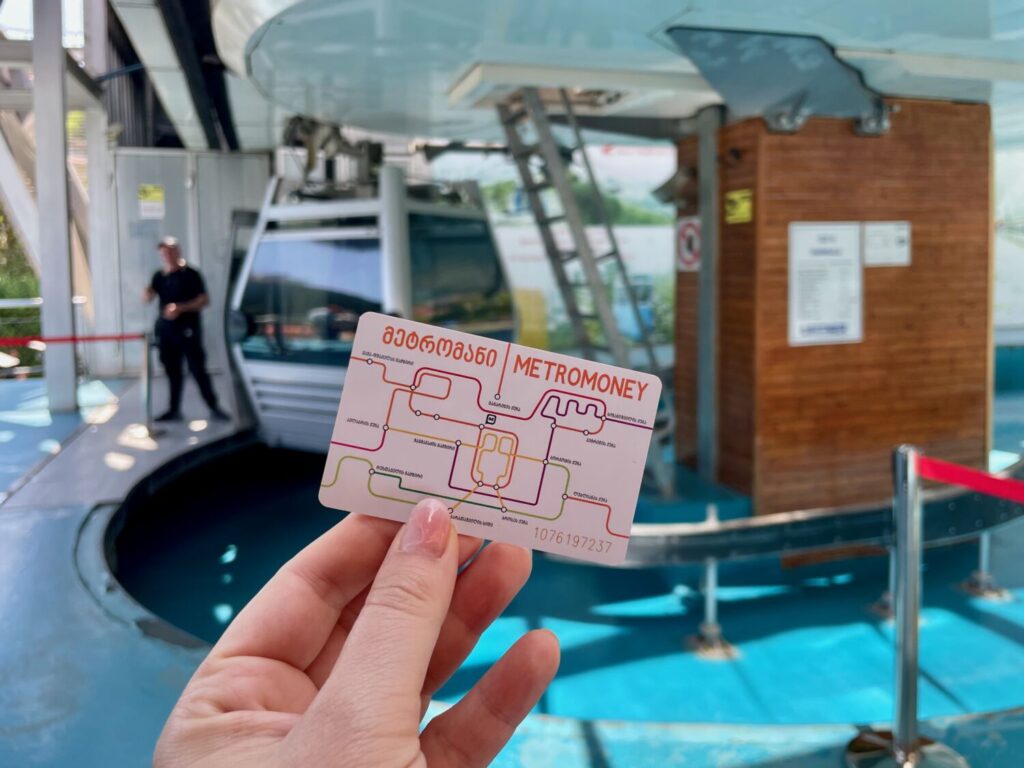
I’d recommend visiting the Narikala Fortress in the morning, especially in spring and summer, before the heat sets in. From central Tbilisi, you can conveniently ride the cable car departing from Rike Park to enjoy the view over the city, as I did. At the time of writing, a one-way cable car ticket costs 2.50 GEL. Still, youneed to load your tickets onto a Metromoney card, purchased on the spot, with a refundable deposit of 2 GEL.
Given how small the deposit is, I chose to keep my card rather than queue again for a refund, as most tourists do. All in all, the ride up will likely cost you around 4.50 GEL, just over €1.50.

Tbilisi’s Markets: Meidan Bazaar, the Dry Bridge and the Flower Market
If you enjoy browsing stalls and souvenirs, Tbilisi has several markets worth visiting. The Meidan Bazaar, at the foot of the Old Town, is the most central and touristy. It isn’t really a traditional market at all, more a shop styled like an old caravanserai, displaying Tbilisi’s best souvenirs at a considerable mark-up. I still found it worth a visit for its elaborate setting, and for a good overview of what to buy in Georgia to bring home.
The Dry Bridge Market, on the other hand, is promoted as the place to find antiques, old photographs and Soviet memorabilia. Honestly, I didn’t find anything unmissable there myself. It was, however, a lovely immersion into a lively and authentic side of Tbilisi.
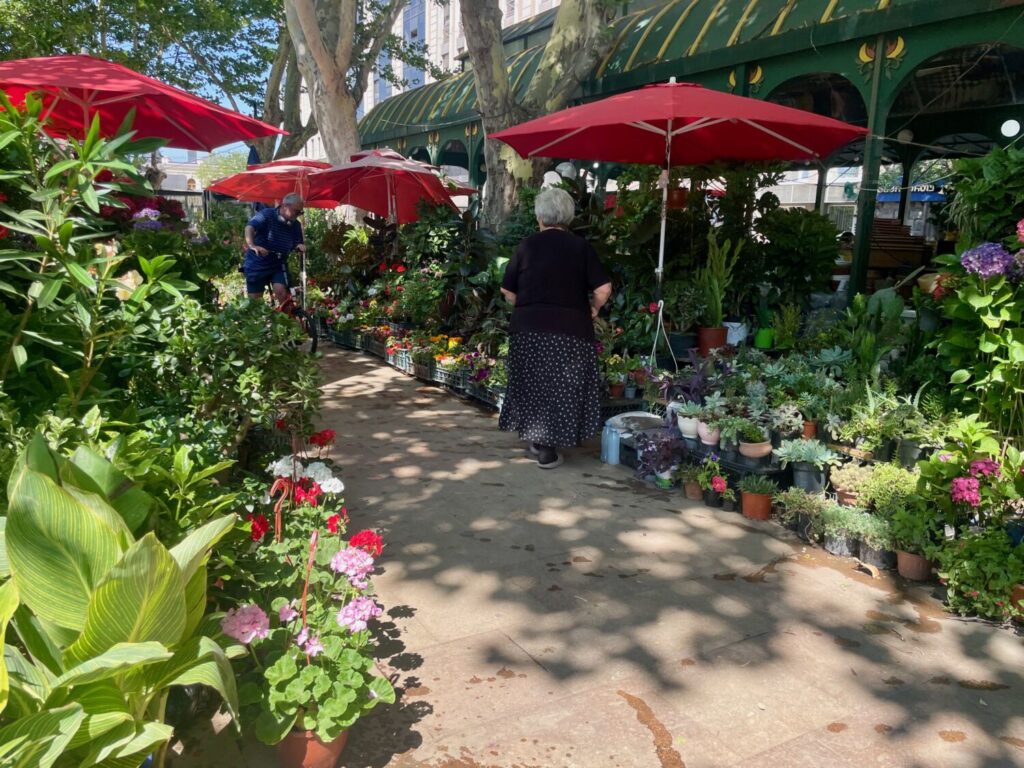
Not far away is the Flower Market, my personal favourite in Tbilisi.As a keen gardener, I would have happily bought every plant on display, but airline baggage restrictions and uncertainty about European Union import rules stopped me from bringing any home. Either way, it was a genuinely pleasant stop for me, letting me see everyday life in the Georgian capital, far from the usual tourist flow.
The Best Museums in Tbilisi: Art, History and Archaeology
Tbilisi has several interesting museums, though finding information online before you travel is quite difficult. The official Tbilisi museums website doesn’t work properly and contains outdated information, as I discovered while planning my own visit.
I personally love visiting local museums because they let you see history and art through the eyes of a local. In Tbilisi, though, I genuinely struggled to decide whether to go in or not, since the lack of information made it hard to know what I’d find inside. Still, I’ll try to give you a summary based on what I actually saw. The main museums in Tbilisi are:
- the Simon Janashia Georgian National Museum, with archaeological finds
- the Museum of Soviet Occupation, a separate section of the National Museum
- the Georgian National Museum of Fine Arts, home to one of the largest private collections in the world
- the National Gallery, the most important exhibition of Georgian painting
- the Tbilisi History Museum, housed in an old caravanserai
Most of these museums are found along Shota Rustaveli Avenue, an important street in the centre. You can decide on the spot, as you walk past, whether to go in. Some, like the National Gallery and the Museum of Fine Arts, are easily recognisable from the outside. Others look like government buildings, so if you’re interested in visiting one, I’d recommend searching for the name on Google Maps, which is exactly how I identified most of them.
Simon Janashia Georgian National Museum: Colchis Gold and Archaeological Finds
The Simon Janashia Georgian National Museum is one of the most important in the city, tracing Georgia’s history from the Bronze Age to the twentieth century. In the Treasury Gallery, in the basement, you’ll find gold, silver and precious stones recovered from Georgian burial sites. These date back to the third millennium BC.
The most striking pieces come from Colchis, the region of western Georgia tied to the myth of the Golden Fleece, featuring gold work of incredible finesse. The museum also displays finds from Dmanisi. In this site in southern Georgia archeologists found hominid skulls 1.8 million years old. These discoveries are highly significant, as they’ve rewritten part of human history.
Museum of Soviet Occupation: Georgia Under the Soviet Regime
On the fourth floor, a permanent exhibition traces seven decades of Soviet rule in Georgia, from 1921 to 1991. Online, on independent English-language sites and on Google Maps, you’ll find it listed as the Museum of Soviet Occupation. This section recounts the story of the Georgian national liberation movement and the political repression of those years. Among the documents on display are the personal files of Georgian citizens accused of subversive activities, alongside execution or exile orders.
Georgian National Museum of Fine Arts: Georgian Art from the Twentieth Century Onwards
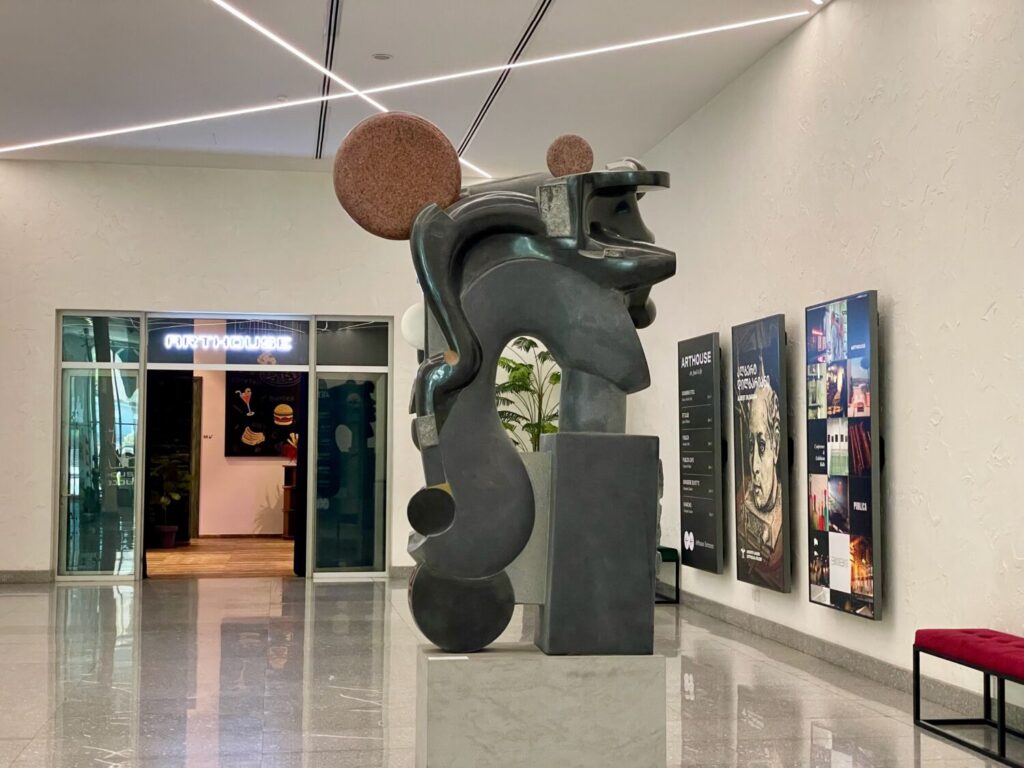
The Georgian National Museum of Fine Arts tells the story of Georgian art over the past eighty years, spanning the Soviet and post-Soviet periods. The exhibition unfolds across three floors and includes paintings, graphic works and sculptures.
The visitor route guides you chronologically through Georgia’s artistic movements. It covers Socialist Realism, the Iron Curtain years, the Cold War, the Thaw, the collapse of the Soviet regime, the civil war and independence. The works on display come from the private collection of the Gia Jokhtaberidze and Manana Shevardnadze family. It’s one of the largest private art collections in the world, with over three thousand five hundred works by around a hundred artists.
National Gallery: The Masterpieces of Georgian Painting
Nearby, the National Gallery houses the most important collection of Georgian painting. The heart of the visit is the room dedicated to Niko Pirosmani, the self-taught late nineteenth-century painter. His portraits of rural Georgian life appear on almost every souvenir imaginable, from postcards to bags. The collection also features other major twentieth-century Georgian painters, including Lado Gudiashvili and David Kakabadze.
Tbilisi History Museum in an Old Caravanserai
The Tbilisi History Museum is worth a stop for its setting alone, as it occupies an old caravanserai. Inside, it traces the city’s evolution over the centuries through vintage photographs and everyday objects. When I visited, though, there wasn’t much on display. You can safely skip it, unless you’re curious about how Georgian shops were furnished in centuries past.
Tbilisi’s Brutalist Architecture: Soviet Buildings and Secret Bunkers
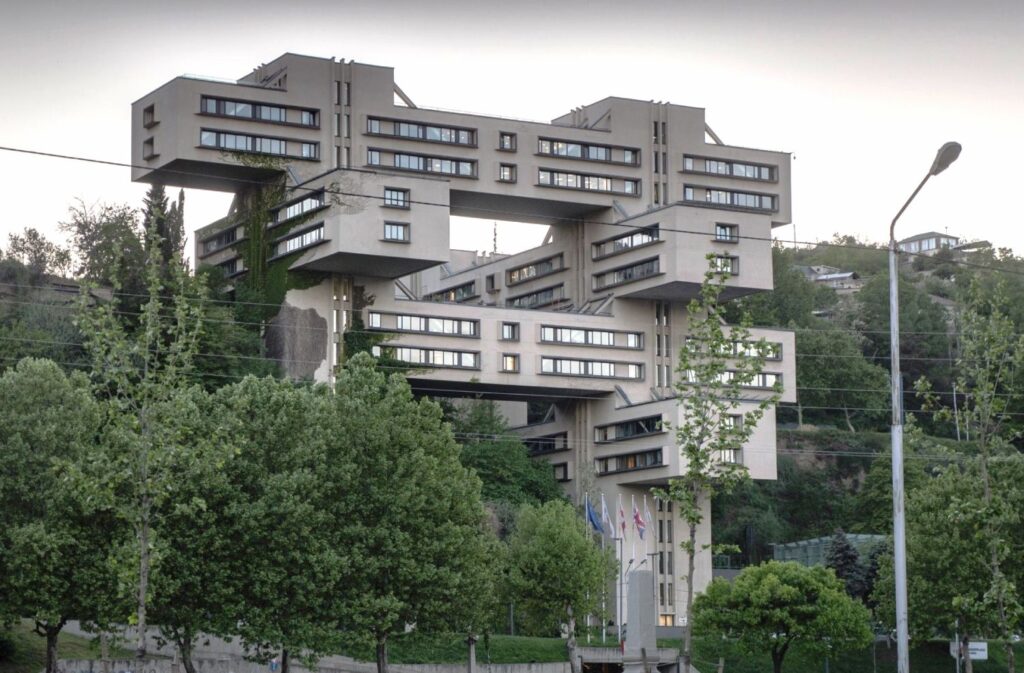
Tbilisi is famous for its Old Town, with Art Nouveau, eclectic and early twentieth-century buildings mixed with characteristic carved wooden balconies. It also holds a fascinating, lesser-known heritage of brutalist architecture, one that genuinely surprised me. If this style appeals to you too, I’d recommend setting aside at least half a day for this side of the Georgian capital.
You can even book tours online dedicated specifically to uncovering the legacy of Soviet architecture and the surreal beauty of certain concrete structures. The tour Brutalist Tbilisi: Urban Exploration and Untold Stories, for example, takes you to the former Ministry of Highways, an imposing structure suspended on pillars, and to the former Archaeology Museum, now abandoned.
Also built from concrete, but underground, is a genuine Soviet-era bunker in Tbilisi. It stayed hidden from the public for decades. At the time of writing, you can only visit it through the Soviet Bunker – Tbilisi Urbex Tour, something I’d recommend for the unique chance to see a real top-secret shelter and Georgian command centre from the Cold War era.
What to See Around Tbilisi: The Best Day Trips
If you have a few extra days available, I’d recommend exploring the surroundings of the Georgian capital too. The most popular destinations are:
- the Giorgi Chitaia Open Air Ethnographic Museum
- Gori, the birthplace of Stalin
- Mtskheta, Georgia’s holy city
- Uplistsikhe, the cave city
- Kass Land, an amusement park with a diamond-shaped bar suspended over a canyon
I visited all of these with a rental car, during my road trip across Georgia. If you’re planning to stay only in Tbilisi, though, I wouldn’t recommend driving yourself. This is especially true if you’re not an experienced driver, mainly to avoid dealing with the local driving style, which caught me off guard more than once. You can reach almost all the most popular destinations around Tbilisi with organised day tours.
If you choose to join a group tour, prices are generally very good value, though the vehicles can sometimes be rather old, as I noticed on a couple of mine. On GetYourGuide, you’ll find reliable tours. I’d always recommend reading the latest reviews before booking, to check that quality has remained consistent.
Giorgi Chitaia Ethnographic Museum: Traditional Georgia in an Open-Air Village
The Giorgi Chitaia Open Air Ethnographic Museum sits just outside Tbilisi and gathers dozens of traditional houses from every region of Georgia. Getting there was a small adventure in itself for me, between roadworks that confuse Google Maps and street signage in Tbilisi that isn’t always clear. The museum itself, though, is genuinely special. It’s laid out like a village, with houses from across Georgia, and staff on-site who explain traditional Georgian rural life.
Gori: The Stalin Museum and a Medieval Fortress with City Views
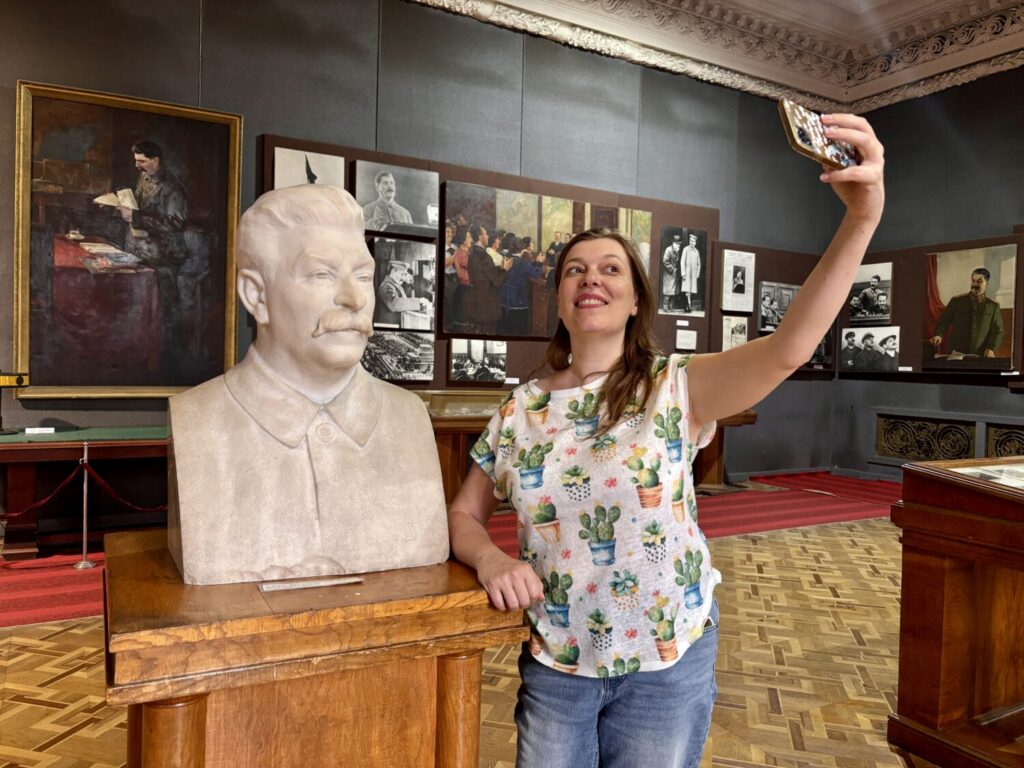
Gori lies around an hour’s drive from Tbilisi and is best known for the curious, rather anachronistic Stalin Museum, which tells his life story through personal belongings and celebratory portraits. I found myself smiling at the strange transliteration of many English names, filtered first through Russian and then Georgian, then rendered into a form of local English that nobody in the museum actually speaks. The exhibition also includes the armoured railway carriage Stalin used for his journeys across the Soviet Union.
Beyond the museum, I made a point of reaching the Gori Fortress, perched on a hill above the historic centre. This medieval fortress also offers the best vantage point over the city and surrounding valley. Compared with Tbilisi, the centre of Gori kept, in my experience, a more authentic atmosphere, with local markets, traditional cafés and Soviet-era architecture.
Mtskheta: What to See in Georgia’s Holy City
Mtskheta is considered a sort of Orthodox Vatican of Georgia, and it’s also a UNESCO World Heritage Site. The Svetitskhoveli Cathedral is said, according to tradition, to hold Christ’s robe beneath its foundations. Meanwhile, the Jvari Monastery looks down from above onto the confluence of the Mtkvari and Aragvi rivers.
I was a little puzzled to see pony rides offered as an attraction in what we’d been told was a holy city, but tourism in Georgia has its own particular style, as I learned throughout my trip. Mtskheta is usually included as a stop on tours towards Gori and Uplistsikhe from Tbilisi.
Uplistsikhe: The Cave City Carved Into the Rock
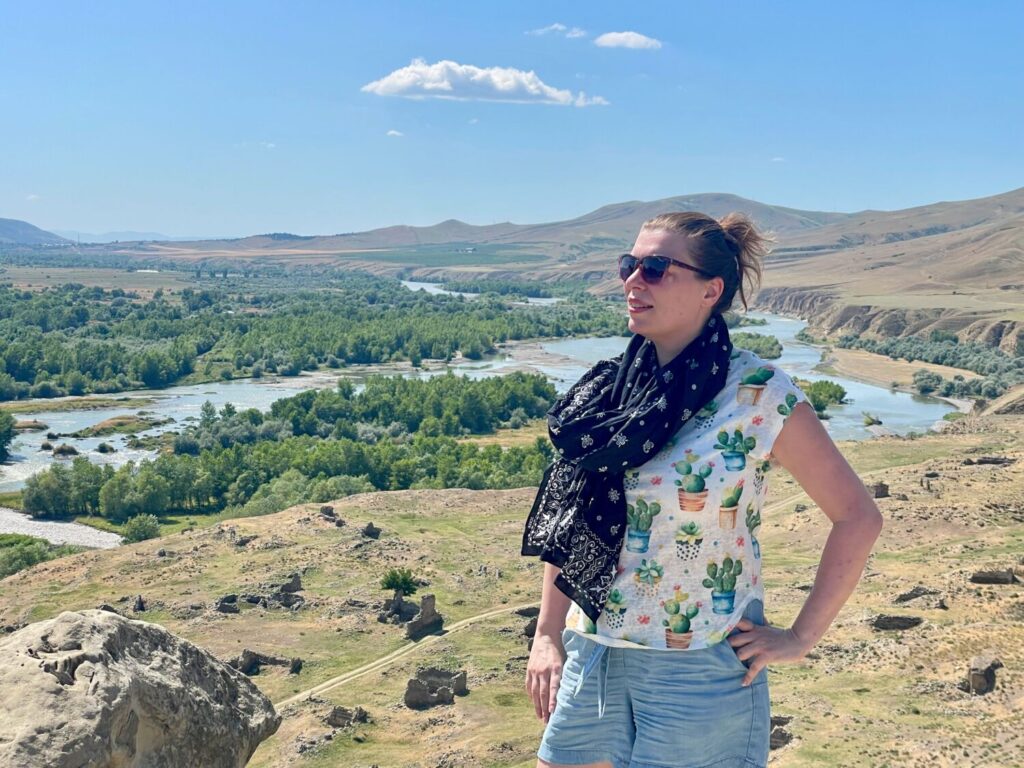
If you’re interested in Georgia’s ancient history, Uplistsikhe is a cave city carved directly into the rock, not far from Gori. It’s less famous than Vardzia, and for that reason still relatively uncrowded, which I found made it a genuinely pleasant and interesting visit. If you explore it independently, I’d recommend hiring a guide right at the ticket office, as I did, to uncover the history and curiosities of this vast archaeological site.
Kass Land and the Diamond Bridge: The Adventure Park Near Tbilisi
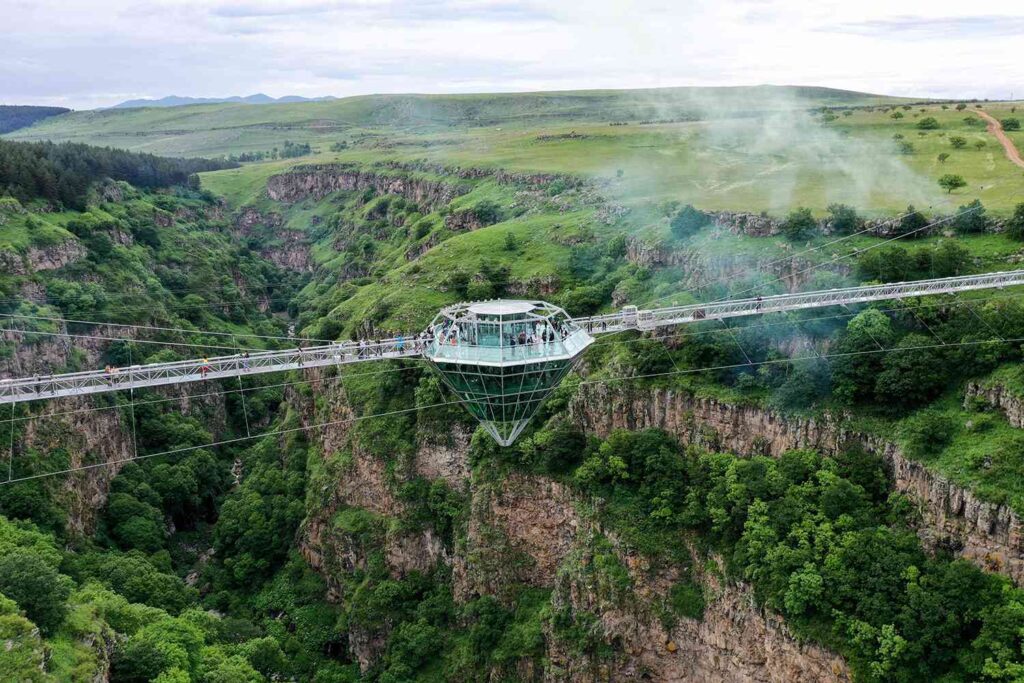
If you’re travelling with family, I’d recommend setting aside a day for Kass Land, a mix between a nature outing and a proper theme park adventure. Kass Land is Georgia’s largest amusement park, and it sits around ninety minutes’ drive from Tbilisi.
The main reason to visit, though, is the incredible Diamond Bridge: a glass bridge suspended two hundred and ten metres above a series of spectacular waterfalls, running two hundred and forty metres in length, with a colossal diamond-shaped structure at its centre. Inside the diamond sits an all-glass sky bar with panoramic views, which has been put forward for a Guinness World Record as the highest suspended bar in the world.
Inside the park, you can try a giant swing overlooking the canyon, suspended bicycles, and the longest go-kart track in Europe, alongside a separate area designed for children. The park also offers inflatable slides, a ninja course and a rope adventure park. These are all fairly adrenaline-fuelled activities, ones I’d never choose to do on my own initiative, but ones my son would absolutely love.
Practical Information for Planning a Trip to Tbilisi
Tbilisi looks compact on the map, and if you only plan to stay in the central area, you can easily explore it on foot. However, if you want to include the surrounding areas in your itinerary, as I did, getting around requires a bit of planning.
When to Go to Tbilisi: Climate and Best Time to Visit
The best period remains spring or autumn, when temperatures are milder. I visited Georgia in late spring myself, and it was an excellent choice. By June, the heat is already noticeable, with hot, humid days, while winter brings a fairly harsh climate. For this reason, I’d recommend April and May, or September and October, to avoid both summer heat and winter cold.
How to Get to Tbilisi from Europe and North America
Tbilisi’s international airport lies around seventeen kilometres from the centre, and it’s the main gateway for most travellers arriving from abroad. For example, from the UK, British Airways flies direct from London Heathrow, while easyJet operates direct seasonal flights from London Luton. From Italy, you’ll find direct flights from Bergamo and Rome with Georgian Airways, seasonal flights from Milan with easyJet, and flights from Milan and Rome with Wizz Air.
From most of continental Europe, North America and further afield, though, there are no non-stop options. You’ll typically connect through a major hub such as Istanbul, Warsaw, Munich or Vienna, with carriers including Turkish Airlines, Lufthansa and LOT Polish Airlines all serving the route regularly. It’s worth comparing layover times, since some connections add many extra hours to the journey.
Whichever route you take, you’ll land at the same small, easy-to-navigate airport I did. From there, you can reach the city centre with bus number 337, which has replaced the old route 37. All public transport in Tbilisi is cashless, meaning you pay only by card. A ticket costs 1 GEL, around €0.35, and you simply tap your card on the reader on board, exactly as I did on arrival.
Alternatively, a taxi takes around twenty-five to thirty minutes and costs around €15-20, depending on traffic and the service chosen.
How Many Days You Need to Visit Tbilisi
To see the centre of Tbilisi, including Abanotubani, the Old Town and the Narikala Fortress, I’d recommend at least two days, or three if you prefer a slower pace and want to visit at least one museum. With a guided tour of Tbilisi, you can see far more in less time, exploring aspects of history, culture or architecture based on your interests.
If you’d like to add a day trip to Mtskheta or Gori, I’d suggest allowing at least one extra day, and joining an organised tour to make the most of your time. I had included these as stops on a wider trip, but had I stayed only in Tbilisi, I’d probably have chosen this same approach.
Getting Around Tbilisi: Buses, Bolt, the Cable Car and the Hop-On Hop-Off Bus
Getting around the city on foot is easy and enjoyable. Distances in the centre are short, and walking saves you from having to work out how the city buses operate and where they actually go. Honestly, I didn’t even try myself.
If you’d rather not walk everywhere, the most convenient option is Bolt, the most widely used ride-hailing app in Georgia, which works much like Uber. It lets you know the cost of the ride in advance, avoid haggling with taxi drivers, and pay directly through the app, while also saving you the hassle of finding parking in a heavily trafficked city.
If you prefer a more structured way of getting between the main attractions, there’s also a hop-on hop-off bus with twelve stops around the city, including Freedom Square, the sulphur baths and the Dry Bridge Market. The ticket is valid for 24 or 48 hours, and the full loop takes around an hour and a half. This can be a good option if you’re short on time or find it difficult to walk long distances.
If you’ll be staying only in Tbilisi, I’d recommend skipping the rental car, based on my own experience driving elsewhere in the country. Driving in Georgia follows its own local rules, from the casual use of hazard lights to cows and horses occasionally found even on the motorway. Heavy traffic in Tbilisi doesn’t make driving any easier, and parking is limited.
Where to Stay in Tbilisi: The Best Hotels in the City Centre
Tbilisi offers a range of accommodation, from budget properties to boutique hotels, alongside a few international chains. I’m personally very fond of boutique hotels, though in my own experience the online description doesn’t always match reality. In the hotel I’d booked myself, which I won’t include in this list, the rooms were spacious with a good breakfast and a scenic position. Contrary to the listing, though, there was no parking, and the pool was noticeably smaller than the photos had suggested.
Either way, I’d recommend staying in the city centre, near the Kura River and the Abanotubani district, so you can get around easily on foot. Hotels in Tbilisi are generally cheaper than in Western Europe, so it’s worth not cutting corners entirely. Instead, choose a higher category and enjoy the best of Georgian hospitality.
As for specific options, the Iris Hotel is an excellent four-star choice in a central position near the railway station, with city-view rooms and an in-house spa. The Abanotubani Boutique Hotel, as you can probably guess from the name, sits in the Abanotubani district, just two minutes’ walk from the sulphur springs. It’s the perfect base for a wellness-focused weekend.
If budget isn’t a concern, the most remarkable property in Tbilisi is the Ambassadori Tbilisi Hotel, a genuinely luxurious hotel with marble bathrooms and elegant interiors custom-designed by Italian architect Francesco Molon. Inside, you’ll find an indoor pool with spa, a gym, a sun terrace, a sauna, several restaurants and cafés, private parking, an exclusive Aromateque perfumery, and even a VIP casino.
What to Eat in Tbilisi: Georgian Dishes You Should Try
Finally, my own advice, beyond visiting Tbilisi’s main attractions, is to take the time to enjoy Georgian cuisine, as I made a point of doing throughout my stay. You can try wonderful khachapuri, a bread filled with cheese and egg, and churchkhela, the characteristic dried fruit wrapped in a sheet of grape must, in bakeries and markets. In restaurants, don’t miss badrijani, an aubergine-based starter, and khinkali, large dumplings filled with meat and broth.
In conclusion, Tbilisi deserves far more than a quick stop on a trip through Georgia, though it also makes a fantastic destination for a long weekend, as my own visit confirmed. The Georgian capital rewards a slow pace, taking in the Old Town, museums, hills and sulphur springs. If you have a few extra days, the surrounding area reveals an even more authentic side of Georgia, with mountains, monasteries and historical curiosities. Whether you choose to explore on foot or join an organised tour, I’m confident Tbilisi will surprise you with its contrasts, as well as its excellent food.
