London is one of the most expensive cities in Europe, and public transport can quickly add up if you do not understand how fares work. Over the years, I have learned how to move around efficiently and avoid unnecessary costs. Understanding how London public transport fares work makes a real difference when planning your trip. In this guide, I explain tickets, Oyster cards and contactless payments in a simple and practical way.
PLAN YOUR TRIP TO LONDON
Prepare for your London adventure by securing the London All-Inclusive Pass, granting access to 80+ attractions, guided tours, and a Thames adventure with the Hop-On-Hop-Off Big Bus and Uber Boats by Thames Clippers.
Stay connected in the UK with a giffgaff free SIM or an Airalo eSim for data coverage throughout your London journey. And don’t forget to get Heymondo Travel Insurance, which covers any inconveniences during your trip!
Table of Contents
Getting Around London by Public Transport: How the System Works
London offers an extensive public transport network that makes it easy to move across the city. The most efficient option is often the Underground, commonly known as the Tube. The London Underground network covers most of the city, with hundreds of stations across multiple lines connecting central areas and outer districts.
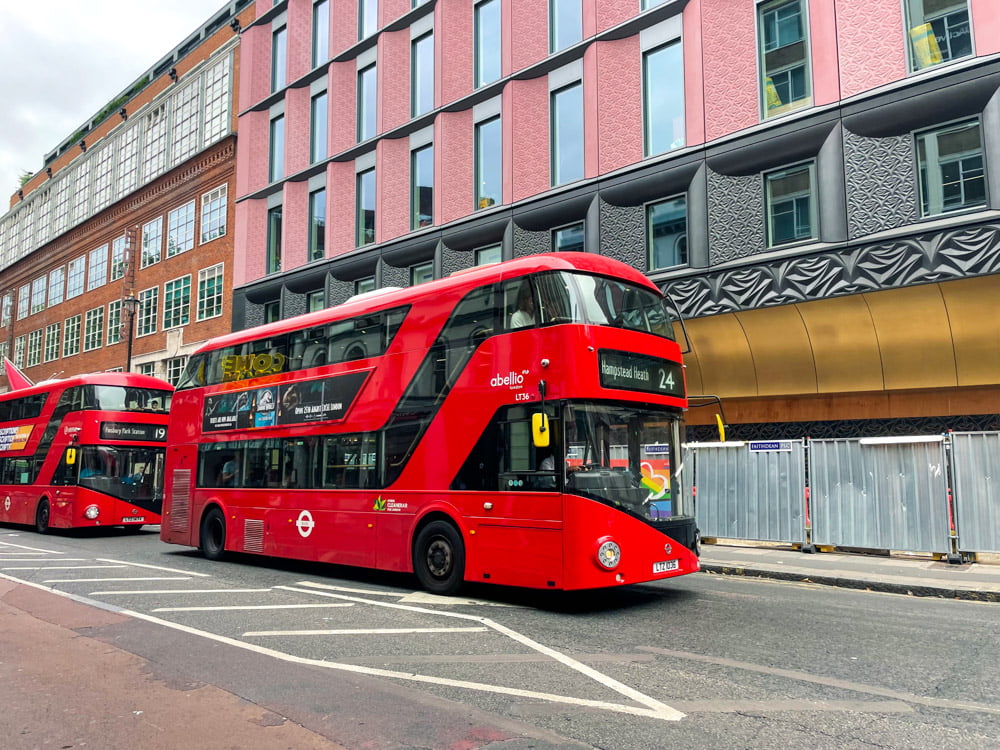
Where the Tube does not reach, a wide range of surface transport options is available. Buses run frequently across the entire city, both during the day and at night. The iconic red double-decker buses are not only practical, but also offer a more scenic way to see London while travelling, especially if you sit on the upper deck.
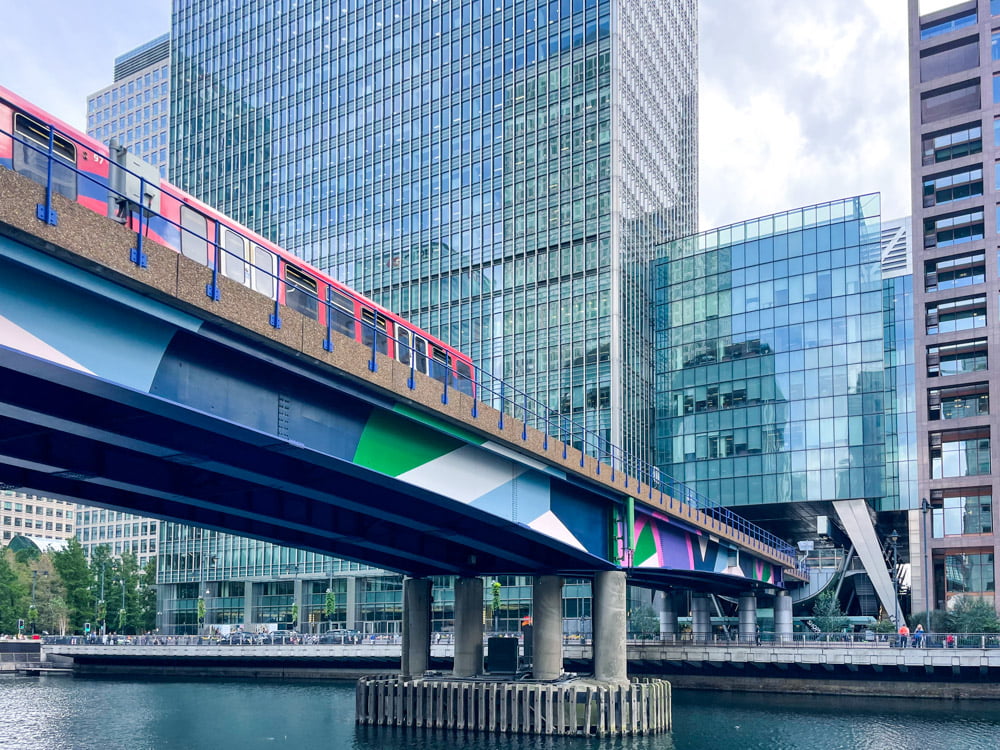
Outer areas are also connected by rail services, including the London Overground and the Docklands Light Railway (DLR). The Overground connects residential neighbourhoods, while the DLR mainly serves East London and the former Docklands area. You will likely use the DLR if you plan to visit places such as Canary Wharf or the Museum of London Docklands.
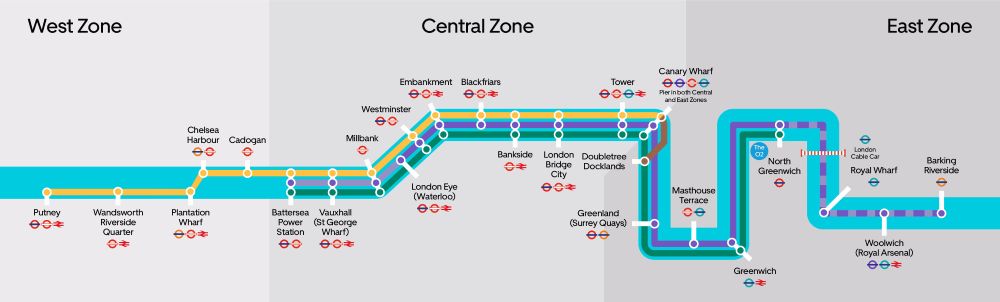
London’s public transport network also includes river services on the Thames, operated by Uber Boat by Thames Clippers. These services are divided into River Bus routes, which connect different piers along the river, and River Cruises designed for sightseeing. Travelling by river offers a different perspective of the city, especially between central landmarks.
Are Paper Tickets Still Available in London?
Paper tickets are no longer part of everyday travel in London. London’s transport system is now almost entirely cashless, and most visitors no longer need paper tickets for everyday travel. Paper cash payments are not accepted on buses, but paper tickets still exist in limited contexts such as some National Rail tickets, some point-to-point rail tickets, some airport connections, and paper Travelcards in certain circumstances.
To use public transport in London, instead of buying tickets, you can simply tap in and out using a contactless card or an Oyster card. This system avoids queues and removes the need to carry cash, making it much easier to move around the city.
For this reason, I recommend arriving prepared with a contactless card, which also works with most international bank cards. If you do not have a credit card or your card includes foreign transaction fees, a Visitor Oyster card is often the most convenient option.
You can buy a Visitor Oyster card before your trip and have it delivered to your home. As a result, your card is ready to use as soon as you arrive in London, with no need to queue at stations or ticket machines.
London Public Transport Fares: Zones, Peak Times and Costs
A single journey on buses or trams, paid with an Oyster card or contactless payment, currently starts from £1.75. Fares for the Tube, Overground and DLR are higher and depend on both distance and time of travel. Public transport fares in London are based on zones and peak times, meaning that travelling across more zones or during busy hours will increase the cost.
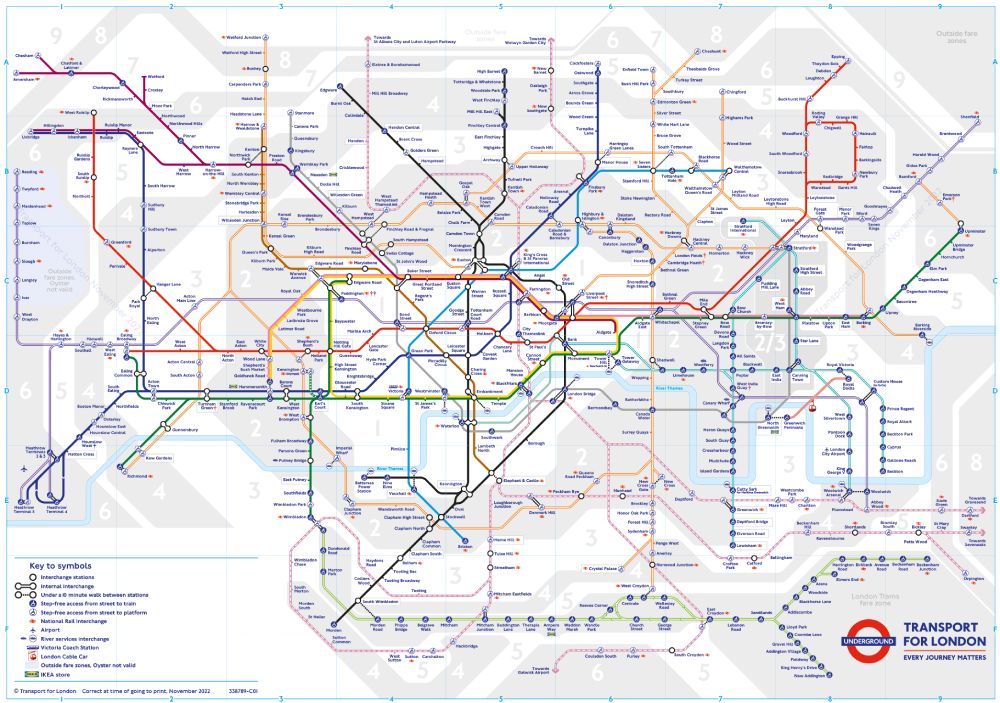
London is divided into concentric fare zones, with Zone 1 covering central areas where most attractions are located. Journeys within central London are typically more expensive than those in outer zones. Peak times usually apply on weekdays during morning and evening commuting hours, while off-peak fares are cheaper and apply at other times.
When you pay using an Oyster card or contactless, you benefit from a daily cap. Once you reach a certain limit, you will not be charged for additional journeys that day. The daily cap makes Pay As You Go one of the most cost-effective ways to travel, especially if you take multiple trips across the city.
London Bus and Tram Fares
Buses and trams are the most affordable way to travel around London, especially for short distances. You do not need to buy a ticket in advance, as you can simply tap your card when boarding. Bus and tram fares in London are among the lowest across the transport network, making them a practical option for everyday travel.
London’s public transport system is fully cashless, so you cannot pay with coins or banknotes. Instead, you must use a contactless card, mobile payment or an Oyster card. When boarding a bus, you tap your card on the reader near the driver, and there is no need to tap out when you leave.
Unlike other transport modes, bus and tram fares are fixed and do not depend on distance or zones. A single fare allows unlimited transfers within one hour, which can be useful if you need to change routes. A daily cap also applies, ensuring that you never pay more than a set maximum amount per day.
| Bus and Tram Fares | Single Ticket | Daily Cap |
| Adult Fare | £1.75 | £5.25 |
Tube, Overground and DLR Fares Explained
The Tube, Overground and DLR are often the fastest way to get around London. Fares can be complex, but understanding them helps you avoid unnecessary costs. Fares are higher during weekday peak hours, while travelling off-peak can help reduce costs. London is divided into concentric zones, and fares depend on how many zones you cross.
Zone 1, which includes most major attractions, has higher fares than outer zones. For example, travelling within central London usually costs more than a similar journey in a residential area. This means that where you travel matters as much as how far you go, especially when planning your itinerary.
The table below shows typical fares for the most common journeys during a visit to London, based on zone combinations and time of travel.
| Tube, DLR, Overground | Single Ticket Off-Peak | Single Ticket Peak-Time | Daily Cap |
| Zone 1 only | £3.00 | £3.10 | £8.90 |
| Zone 2, 3, 4 or 5 | £2.20 | £2.30 | £8.90 |
Ticket prices and the daily cap increase as you travel across more zones, up to a maximum daily limit. The daily cap can reach up to £16.30 depending on the zones covered, which means longer journeys across the city will cost more than those within central areas.
Travel to Heathrow with the Elizabeth line is an exception, with higher fares. A single fare between Zone 1 and Heathrow costs £15.50, reflecting the longer distance and airport connection.
London River Bus Fares (Uber Boats by Thames Clippers)
River Bus fares, operated by Uber Boat by Thames Clippers, vary depending on the route and the distance travelled along the Thames. Journeys are calculated based on the zones you cross, from east to west or vice versa. River Bus fares in London follow a zone-based system similar to other transport services, although prices are generally higher than buses or the Tube.
Uber Boat by Thames Clippers manages several key piers along the river, connecting some of the most important areas of the city. These include Greenwich, Tower, Bankside, Blackfriars, Festival, Embankment, Westminster and Millbank. These river stops provide convenient access to major landmarks, making the service both practical and scenic.
Travelling within a single zone is cheaper than crossing multiple zones, and routes that include central London tend to cost more. Journeys limited to the eastern or western sections of the river are usually less expensive. Fares increase when your route includes central zones, reflecting the higher demand and more popular stops along the Thames.
This pricing structure is similar to the one used for the Tube, Overground and DLR. Understanding how zones affect fares can help you plan your journey more efficiently and avoid paying more than necessary.
| River Zones | Adult Fare | Child Fare |
| Central | £9.90 | £4.95 |
| East or West | £6.20 | £3.10 |
| Central and East or West | £11.40 | £5.70 |
| West to East | £19.30 | £9.65 |
IFS Cloud Cable Car Prices in London
The IFS Cloud Cable Car connects the two sides of the Thames in the Greenwich area, linking Greenwich Peninsula with the Royal Docks. It operates with a flat fare, currently set at £7.00 for adults and £3.50 for children per journey, and return tickets are no longer discounted for adults. The cable car is part of London’s public transport network but is mainly used as a tourist attraction, thanks to its panoramic views.
You can purchase tickets online to avoid queues, especially during busy periods, but this is not always the most convenient option. In most cases, using an Oyster card or contactless payment is cheaper and more practical, as it allows you to pay the standard fare without extra booking steps.
Although not essential for getting around the city, the cable car offers a unique experience. It is particularly useful if you are already visiting East London and want a different perspective over the Thames and the surrounding skyline. I tried it with my son and it was a great experience, one that I would definitely recommend to families travelling with children.

Public Transport in London with Children: Prices and Discounts
Children aged between 5 and 10 can travel for free on most services, although rules can differ for visitors. In some cases, children travelling with a paying adult may qualify for free travel without a Zip Oyster photocard, while longer stays or specific circumstances may require one. This makes London one of the most family-friendly cities in Europe when it comes to transport costs.
There are a few exceptions to consider. The IFS Cloud Cable Car and river services operated by Uber Boat by Thames Clippers offer reduced fares for children rather than free travel, so it is always worth checking in advance when planning your itinerary.
If you are travelling with children, having the correct card or document can make a difference. The Zip Oyster photocard is not always essential for short visits, but it can be useful in some cases. Understanding how children’s fares work helps you plan your budget more accurately, especially if you are travelling as a family.
How to Save Money on London Public Transport
To save money on public transport in London, you can choose between different options depending on your itinerary. The London Pass can be a good option if you plan to visit many included attractions in a short time. If your focus is mainly on getting around the city, transport options such as the Visitor Oyster card and Pay As You Go with contactless payments are usually more suitable.
The most effective way to decide is to plan your itinerary in advance. Knowing which areas you will visit and how often you will travel helps you choose the most suitable option. In my experience, using Pay As You Go with an Oyster card or contactless payment is usually the simplest solution. This method allows you to travel flexibly without committing to fixed tickets, while still benefiting from daily caps.
To avoid incorrect or higher charges, always use the same payment method throughout the day. You need to tap in and out on trains and the Tube, and tap in on buses. Switching between different cards or devices can prevent the system from applying the correct fare cap, which may result in higher costs.
Using Pay As You Go ensures that you never pay more than the maximum daily fare for the zones you travel through. This makes it a reliable option even without a travel pass, especially if your plans change during the day.
Visitor Oyster Card Guide: How It Works and Where to Buy It
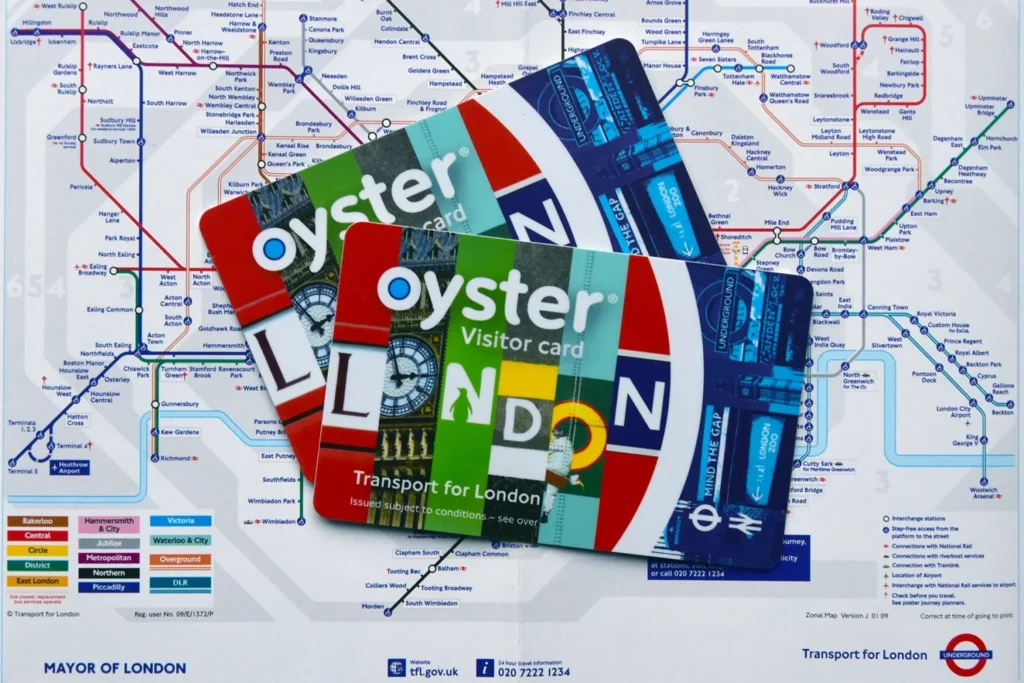
The Oyster card is a rechargeable smartcard used to pay for public transport across London. It works on buses, the Tube, trams, the DLR, London Overground, the Elizabeth line, River Bus services and most National Rail routes within the city. It is one of the simplest ways to travel around London without buying individual tickets.
I first got an Oyster card when I was working in London, and I still have it today. The system has evolved over time, but the basic principle remains the same. Standard Oyster cards are mainly used by residents, while the Visitor Oyster card is designed specifically for tourists, making it ideal for short stays.
The Visitor Oyster card cannot be purchased in London, so you need to order it online on the TfL Visitors website before your trip and have it delivered to your home. It comes pre-loaded with pay as you go credit, allowing you to start travelling as soon as you arrive.
The Visitor Oyster card is not registered to a specific person, and the credit never expires. You can top it up at any time and reuse it on future trips, or even lend it to friends or family.
Today, contactless payments are widely used, but the Visitor Oyster card remains a reliable alternative to avoid multiple foreign transaction fees or keep your travel spending separate. It also includes discounts on selected attractions and river services. Children under 11 can travel free on buses and trams, and you can ask staff at TfL Visitor Centres or Tube stations to add a Young Visitor discount.
Pay As You Go in London: Daily and Weekly Caps with Contactless Payments
In addition to using an Oyster card, you can pay for public transport in London with contactless cards or mobile payments. The system works in the same way, with a maximum daily charge based on the zones you travel through or the number of bus journeys you make. Using Pay As You Go means you will never pay more than the daily or weekly cap, as long as you always use the same payment method.
This option is particularly convenient if you are travelling with cards designed for international use, such as Wise or Revolut, which usually do not charge foreign transaction fees. In this case, you can avoid the cost of buying a Visitor Oyster card, while still benefiting from the same fare system.
Using a Contactless Card for Pay As You Go in London
To pay for your journeys, simply tap your card on the reader at the start and end of your trip on the Tube, Overground, DLR and trains, or when boarding a bus. This is one of the easiest and most flexible ways to travel, as you do not need to top up or manage a separate balance.
Personally, I prefer using a contactless card linked to an account in pounds or with no foreign transaction fees. However, it is important to check your bank’s conditions before travelling. Some banks apply exchange fees or additional charges, which can make journeys more expensive than expected. In these cases, using an Oyster card or a travel-friendly card with no fee may be a better option.
Using Mobile Payments for Pay As You Go in London
You can also access London’s transport network using mobile payments, in the same way as a contactless card. Most TfL readers accept payments from smartphones and smartwatches, including Apple Pay, Google Pay, Samsung Pay, Fitbit Pay and Garmin Pay. This allows you to travel without carrying a physical card.
If you are using a mobile payment linked to a non-UK bank account, it is worth checking that your card works correctly and does not apply extra fees. Foreign transaction charges may still apply, depending on your provider, so reviewing your bank’s terms in advance can help you avoid unexpected costs.
Travelcards in London: When They Are Worth It for Visitors
Travelcards are travel passes that allow unlimited journeys on buses, the Tube, trams, the DLR, London Overground and most National Rail services within London during their period of validity. They are available as weekly, monthly or annual passes, with flexible start dates. This makes them suitable mainly for longer stays or regular travel across the city.
For short visits, however, they are not always the most convenient option. In my experience, even during longer stays or work trips in London, I have never needed to rely on a Travelcard. Using Oyster first and contactless payments later has always been more cost-effective, especially when planning journeys based on the distance between attractions and accommodation.
Travelcards can still be useful if you expect to travel frequently every day across multiple zones. However, for most visitors, Pay As You Go with daily caps offers greater flexibility. This allows you to control your spending without committing to a fixed pass, while still benefiting from the maximum fare limit.

How to Use the TfL Fare Calculator and Transport Maps
Many attractions are within walking distance or can be reached by bus, which is often the cheapest option. Planning your routes ahead of time can help you reduce transport costs, especially during a short stay.
Checking fares before you travel is particularly helpful when visiting attractions located further away. During one trip with my son, I combined a visit to the cable car with a trip across the city to the London Museum of Water & Steam. By planning both journeys on the same day, I was able to stay within the daily cap and avoid extra costs.
You can estimate fares in advance using the official Transport for London website, through the Single Fare Finder tool. This allows you to compare costs for different routes and payment methods. Having a clear idea of prices before travelling helps you make better decisions, especially when choosing between transport options.
On the same website, you can also find the updated Tube map, which includes the Underground, Overground, DLR, cable car and river services. Using the map helps you understand which zones you will travel through, making it easier to plan your itinerary efficiently.
Practical Tips for Using Public Transport in London
London’s public transport system is one of the most efficient ways to get around the city, but costs can add up if you do not plan your journeys carefully. Avoiding peak hours and organising your routes in advance can make a noticeable difference, especially if you are travelling across multiple zones.
Using Oyster cards, contactless payments or mobile devices allows you to benefit from Pay As You Go fares and daily caps. This means you always know the maximum amount you will be charged for the day.
To avoid unexpected charges, always use the same payment method throughout the day and remember to tap in and out where required. Consistency is essential to ensure the correct fare cap is applied, helping you travel around London efficiently without overspending.
For a deeper insight into the history of London’s transport network, the London Transport Museum is well worth a visit. If you have already used public transport in London, share your experience in the comments and which payment method worked best for you. Your tips can help other travellers make the most of London’s transport system.
