
The Brunel Museum in London tells the story of the Thames Tunnel. It was the first underwater tunnel in the world, built by Marc and Isambard Kingdom Brunel. Opened in 1843, it transformed engineering and became a precursor to modern Underground tunnelling. The tunnel still carries London Overground trains today and once attracted paying Victorian visitors. In this article, I explain what to see and whether the museum is worth visiting.
PLAN YOUR TRIP TO LONDON
Prepare for your London adventure by securing the London All-Inclusive Pass, granting access to 80+ attractions, guided tours, and a Thames adventure with the Hop-On-Hop-Off Big Bus and Uber Boats by Thames Clippers.
Stay connected in the UK with a giffgaff free SIM or an Airalo eSim for data coverage throughout your London journey. And don’t forget to get Heymondo Travel Insurance, which covers any inconveniences during your trip!
Table of Contents
Why Visit the Brunel Museum and Thames Tunnel in London
The work most closely associated with Isambard Kingdom Brunel is probably the Clifton Suspension Bridge. After seeing it in Bristol, I wanted to learn more about Brunel’s legacy. I was surprised to discover that a small museum in London preserves one of his most extraordinary achievements.
The museum tells the story of the Thames Tunnel, built between 1825 and 1843 using Marc Brunel’s revolutionary tunnelling shield. This invention transformed underground engineering worldwide and laid the foundations for modern tunnelling.
Originally intended for horse-drawn freight traffic, the tunnel instead opened as a pedestrian passage and soon became a Victorian attraction. Later acquired by the East London Railway Company, it was adapted for rail use. Today, it still carries London Overground trains.
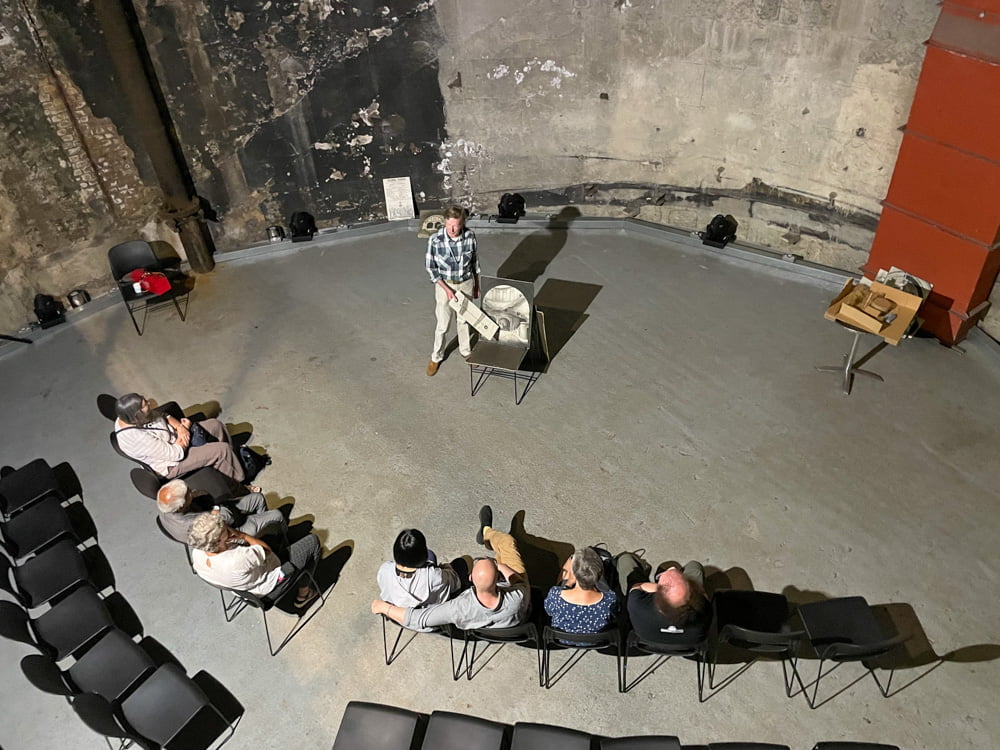
Visitors cannot walk through the tunnel itself, as it remains part of the active railway network. Still, you can descend into the vast original excavation shaft through a guided tour. This vast underground chamber feels even more dramatic in person than most visitors expect.

The Thames Tunnel: How It Became a Victorian Tourist Attraction
When the Thames Tunnel opened to pedestrians in 1843, it quickly became far more than a piece of infrastructure. Thousands of Londoners paid to descend into the tunnel, curious to experience one of the greatest engineering achievements of the age.
The tunnel became a genuine Victorian tourist attraction. It drew crowds who came to walk beneath the Thames and marvel at a feat many considered almost impossible. Shops, entertainers and even fairs appeared in the tunnel at different periods, turning an engineering project into a social destination.
Victorian Londoners once paid to see this engineering wonder, much as visitors do today. The experience feels even more special knowing the shaft was abandoned for over 150 years. It reopened only in 2015 through the efforts of museum volunteers.
Since 1869, the Thames Tunnel has been used by trains. Today, it remains one of the oldest surviving parts of London’s rail transport network. Unfortunately, the tunnel itself does not form part of the museum. You can still travel through it by train after your visit.
What to See at the Brunel Museum and Tunnel Shaft
Before descending into the tunnel shaft, you can explore a small museum inside the Engine House. This building once housed machinery linked to the tunnel’s operation. Though compact, the museum provides valuable context before the guided visit.
The exhibits introduce the story of Marc and Isambard Brunel, the construction of the Thames Tunnel, and the engineering challenges that made the project so revolutionary. Displays include models, historical objects, drawings and interpretation panels. Overall, the museum explains how tunnelling technology developed and why this project mattered far beyond London.
Access to the shaft is only possible with a guide. During the tour, you learn how the tunnel was built, the dangers engineers faced, including flooding, instability and difficult working conditions. I also liked the part about how the site unexpectedly became a Victorian tourist attraction.
One unusual feature is the Smelly Trail, an interactive installation that recreates the smells of goods once transported along the Thames. It is a curious detail that connects the engineering story to everyday life in nineteenth-century London.
The highlight is descending into the vast brick-lined shaft itself. Standing inside this extraordinary underground chamber gives a much stronger sense of the scale and ambition of the project than museum displays alone can convey.
Can You Walk Through the Thames Tunnel Today?
You cannot walk through the Thames Tunnel today, as it remains part of the active rail network. It is still used by London Overground trains.
Since 1869, the tunnel has carried trains and is one of the oldest surviving parts of London’s rail transport network. While the tunnel itself does not form part of the museum visit, you can still travel through it by taking a train after your visit. It is a remarkable way to experience Brunel’s engineering still in use today.
If you want to cross beneath the Thames on foot, London does have two historic pedestrian tunnels still open to the public: the Greenwich Foot Tunnel and the Woolwich Foot Tunnel.
Visiting the Brunel Museum With Children: What to Know
Although the museum includes interactive elements and also promotes family visits, I would suggest checking in advance whether other families are likely to join your guided tour, especially if visiting with younger children.
In our case, my son was the only child in a group composed almost entirely of older adults. This inevitably shaped the pace and atmosphere of the visit. The guide’s explanations were clearly geared towards an adult audience, and the tour moved slowly. This was really a challenge for us, particularly as access to the shaft is only possible with a guide and you are expected to remain seated and quiet during the explanation.
That said, I think the experience could feel very different in a group with more children. My son enjoyed the interactive part of the museum. The subject itself is genuinely fascinating, so I think visiting the Brunel Museum requires a preliminary check to ensure you join a family-friendly tour.

Brunel Museum Tickets, Opening Hours and Visitor Information
The Brunel Museum is usually open Friday to Monday from 10:30 am to 3:30 pm. Admission costs £10, while children under 16 enter free. All tickets include access to both the Tunnel Shaft, the former pedestrian entrance to the Thames Tunnel, and the Engine House, which houses the museum’s collection and displays.
A 45-minute guided tour of the shaft usually runs every Saturday and Sunday at 12:30 pm and is included in the admission price. I recommend checking the museum’s official website before visiting, as opening hours, ticket prices and tour schedules may change.
The Brunel Museum Thames Tunnel
Railway Avenue
Rotherhithe, London SE16 4LF
Where to stay in London
London has a wide range of accommodation, from hostels to luxurious hotels, but it can be expensive. For a luxurious stay, I highly recommend the 5-star hotel Broadwick Soho, close to Piccadilly Circus, with refined and beautifully designed rooms, a terrace and a restaurant. A great choice is also the Hampton by Hilton London Waterloo, just a 5-minute walk from Waterloo train station and conveniently located near many popular attractions. Another option, if you are looking for a nice hotel with a limited budget, is the Assembly Covent Garden, a design hotel with well-decorated rooms and sculptures, ideal for those on a budget.
Having explored Brunel’s engineering works elsewhere in Britain, seeing part of the Thames Tunnel made the visit especially meaningful for myself. The Brunel Museum may be small, but it reveals a remarkable piece of hidden London and a chapter of engineering history many travellers overlook. For anyone interested in Brunel’s legacy, unusual museums or the city’s lesser-known stories, it deserves a place on your itinerary.
