This summer, my son and I decided to explore Poland’s industrial regions and its Baltic coastline by car. We had hoped to reach as far as Estonia, Latvia and Lithuania, but that proved logistically impossible. We therefore focused on Poland, travelling the country from south to north in search of mines, maritime stories and Cold War memories. Below you’ll find our complete itinerary, along with tips for planning a similar family trip.
Table of Contents
Why Austria and Poland: A Journey Through Mines, Industrial Heritage and the Baltic Sea
The initial goal of this journey was to cross Europe all the way to the Baltic coast, ideally taking in the Baltic republics too. We wanted to discover the wartime and industrial heritage of the region. During the planning stage, however, I realised that even by extending the trip’s length, the driving hours involved remained excessive compared with the time spent at each destination. So I decided to focus on Poland instead.
As I planned each stop, I discovered that many Polish regions have a side rarely covered online. Mining heritage, naval history and Cold War sites are subjects that fascinate both me and my son. I haven’t yet published every trip on my blogs, but we’ve already visited an impressive number of war museums and bunkers across Europe.
When it came to the mines, we were keen to explore the extractive side itself, going underground to see real mines in action. We also wanted to understand how heavy industry has shaped entire regions. During this trip, we were genuinely amazed by underground spaces built inside former mines, including restaurants, pubs and even gyms.
Our itinerary became a rather unusual route, linking points of interest by car and alternating museums with places off the beaten tourist track. Since we were travelling by car, we skipped destinations easily reached by plane, with one exception: Gdańsk, which had only recently gained a direct flight connection from our home airport. Even when we passed through Kraków, we chose to skip the historic centre and save it for a future trip by air, focusing only on attractions reachable by car, such as the aviation museum and the lesser-known salt mine at Bochnia.
The result was more than 4,000 kilometres of travel along a route designed specifically around our interests. It wasn’t a relaxing holiday, but rather an itinerary built entirely around our own passions, packed with aircraft, mines, ships and historical curiosities.
Austria: The First Stop on Our Way to Poland
We set off on a long nine-hour drive to Austria. I’ll admit that a full day of driving would be tiring even without a seven-year-old in the car, but I didn’t want to stop anywhere that didn’t genuinely interest me. I wanted to head straight for the first, incredible attraction chosen to kick off our trip. We therefore stayed overnight in Eisenerz to visit the Erzberg Mine the following day.
By sheer luck, the holiday home Wülde Hoamat, booked only two days before departure, turned out to be absolutely wonderful. It was almost a shame to stay only one night. Besides the immaculately clean room, guests had access to a large kitchen with an adjoining dining room, a fireplace, a lounge with board games, a big garden and an outdoor dining table under the porch.
Wülde Hoamat
13 Kriechbaumweg, 8790 Eisenerz, Austria
Erzberg Mine: A Mining Truck Tour Through an Open-Pit Mine
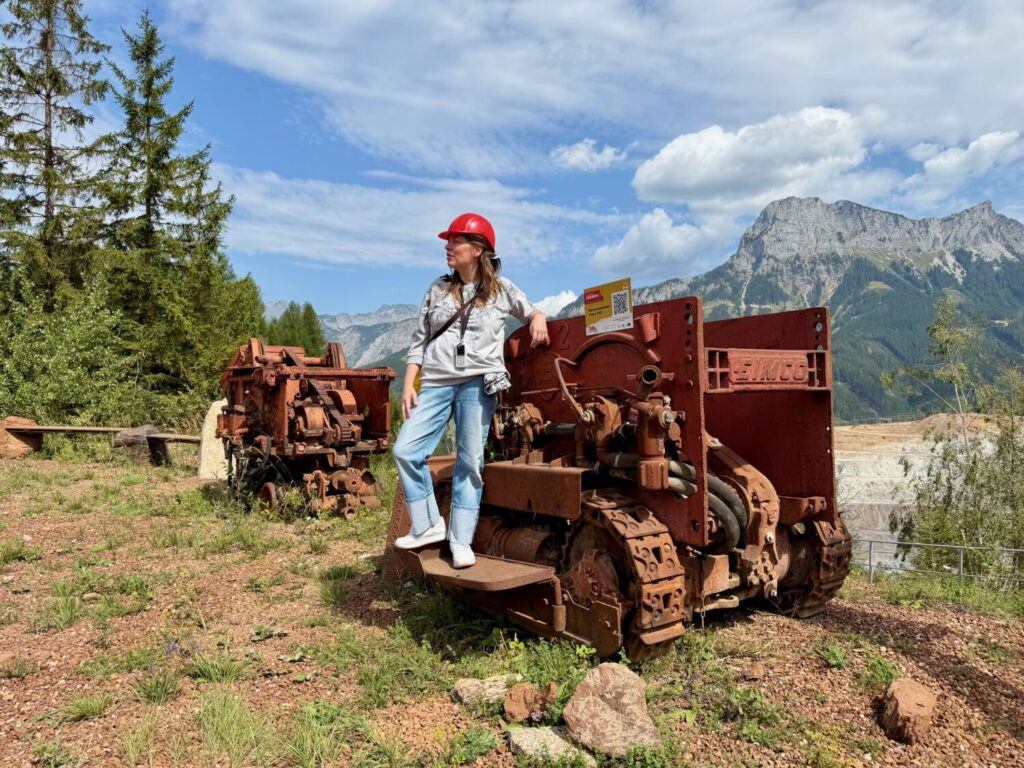
The Erzberg Mine is home to one of Europe’s largest iron ore quarries, still in operation today. The main reason to visit is the tour aboard the gigantic Hauly mining truck, an activity you can only do here. During your visit you can also book other activities, such as a tour of an outdoor exhibition area with old machinery on display, and a stretch of underground mine explored aboard a small miners’ train, where you’ll learn the legend behind the origins of the Erzberg iron mine.
Erzberg Mine
8790 Eisenerz, Austria
From Slovakia to Southern Poland: Thermal Baths, Aviation and Salt Mines
From Erzberg we crossed Slovakia to reach the Polish border, a journey of around six hours. It’s a stretch I probably should have shortened, to avoid driving late into the evening, since we’d stayed at the Erzberg Mine until mid-afternoon. The Slovak roads we travelled were often poorly lit and lacked guardrails, making evening driving in this area quite tiring.
There was, however, a memorable moment when we stopped at Motorest Čataj, a Slovak roadside diner just past Bratislava, where we ate surprisingly well. Thanks to this stop, we discovered that in Central Europe there are restaurants where you pay for your food by weight.
The experience feels genuinely unusual if you’re used to how things work elsewhere in Europe, because you fill your own plate at a self-service counter and pay for exactly the amount of food you’ve chosen. In this type of restaurant, which we also came across in Poland, the food is always excellent and remarkably cheap for the quality on offer.
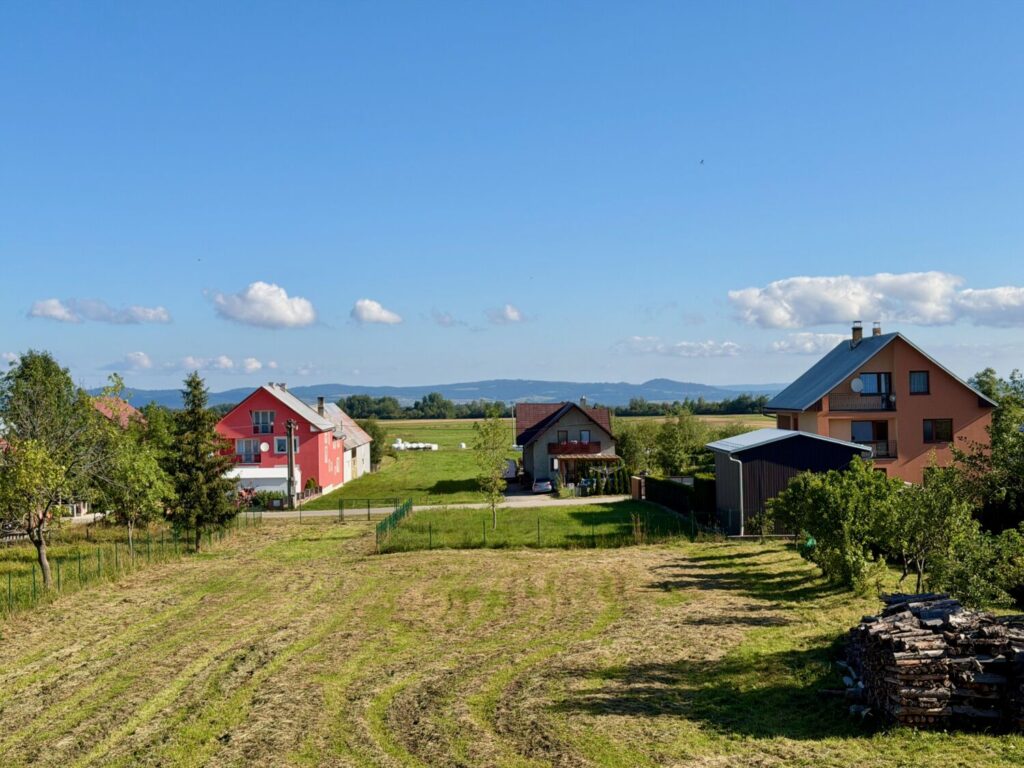
After dinner we arrived at our overnight stop, a B&B in Suchá Hora. Nothing special in the Slovak countryside, but it had private parking and a lovely courtyard with a children’s play area.
Motorest Čataj
D1, 900 83 Čataj, Slovacchia
Chochołów Thermal Baths: Poland’s Largest Spa
As soon as we crossed the border between Suchá Hora and Chochołów, we were struck by a complete change of scenery, entering a village built entirely of wooden houses. Being my first time in Poland, I briefly wondered whether this was part of traditional Polish architecture, but it’s just a specific feature of Chochołów, home to Poland’s largest thermal baths, our first stop in the country.
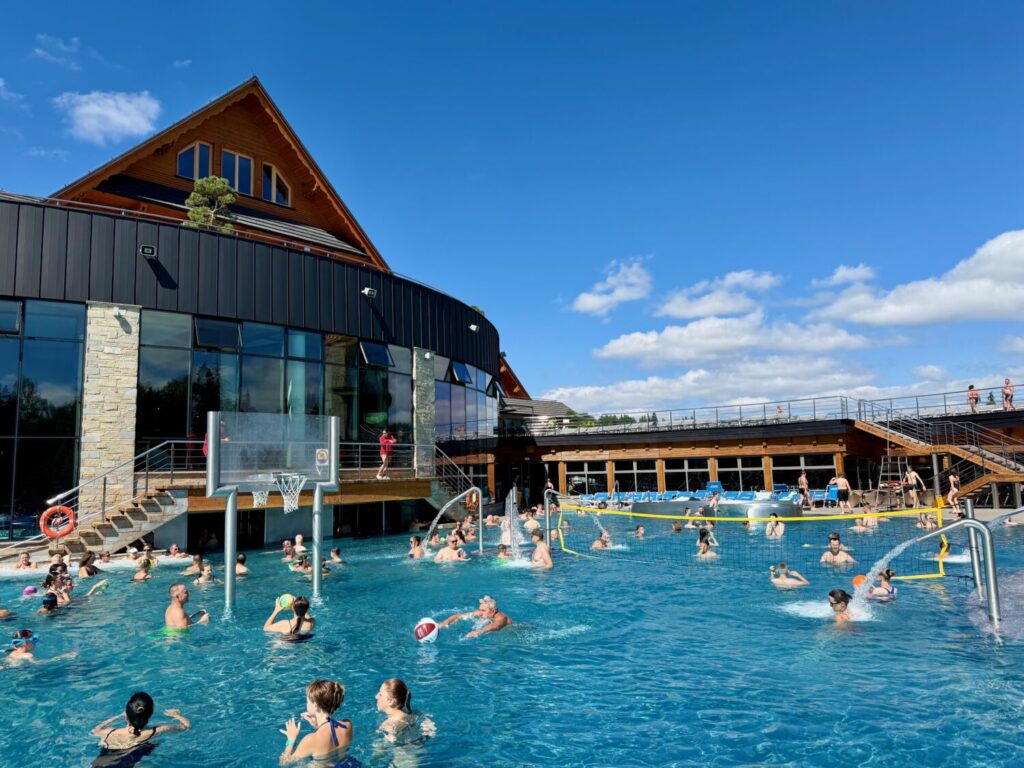
After two very intense days of driving, we treated ourselves to a wonderful day at the Chochołów Thermal Baths. Don’t picture the classic, elegant, intimate spa you might find further west. This is an enormous family-oriented complex, similar in concept to the Palatinus Baths in Budapest, but even bigger.
There are a few hot thermal pools, but the real highlight is the huge number of outdoor and indoor pools where you can spend the whole day as a family. It feels more like a water park than a spa, and the most unusual feature is the bars serving beer and cocktails right inside the largest pools. We spent the entire day there, stopping to eat at one of the indoor restaurants, where we realised that Polish cuisine never disappoints, and costs far less than you’d expect.
Chochołowskie Termy
Chochołów 400, 34-513 Witów, Polonia
Kraków and the Polish Aviation Museum
For this trip we chose not to visit destinations easily reachable by plane, apart from Gdańsk, a new route from our home airport. So although we passed through Kraków, we skipped the historic centre, saving it for a future visit. The main reason for stopping in Kraków was the Polish Aviation Museum, located on the outskirts of the city.
We chose to stay two nights at the Hampton by Hilton Krakow, not far from the museum and connected to the DoubleTree by Hilton Krakow, with which it shares facilities such as a pool, cinema and children’s play area. It’s easy to reach by car from the motorway and far removed from the chaos of the centre.
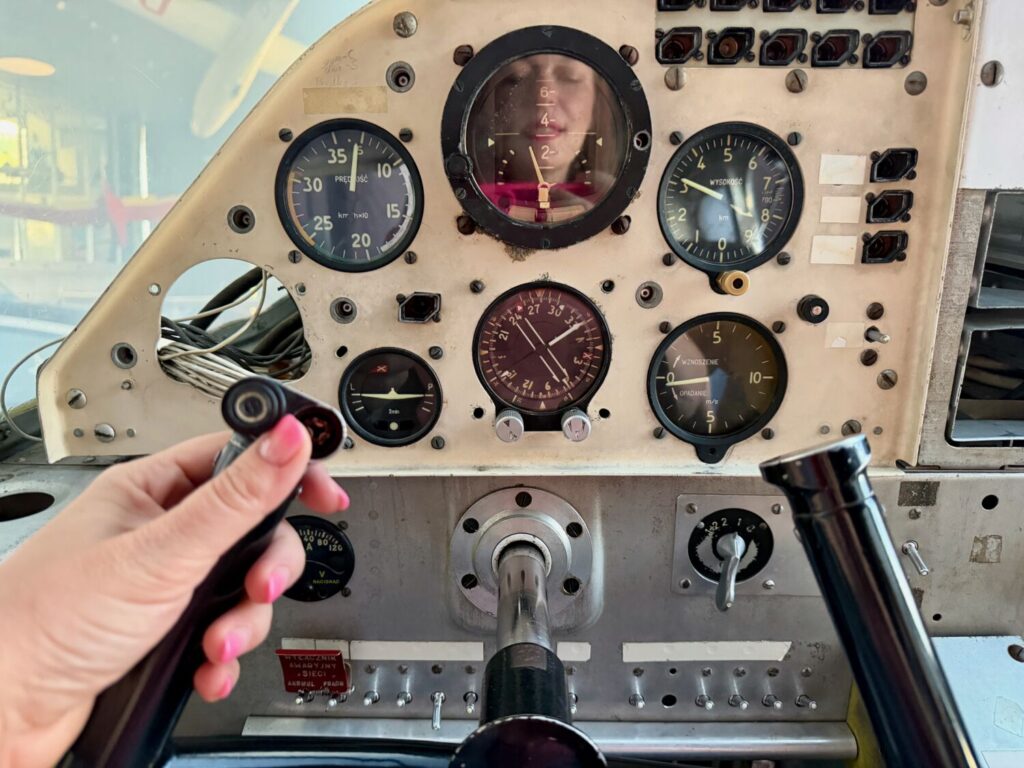
The Polish Aviation Museum in Kraków is huge and dramatically laid out, divided into several themed hangars covering both world wars. Unfortunately many of the captions are only in Polish, so I had to improvise with Google Translate. The section dedicated to Polish women in aviation, and to how Polish pilots were integrated into the RAF during the Second World War, is particularly fascinating.
We ended up spending around five hours inside, skipping lunch thanks to a generous hotel breakfast, since the museum has no restaurant of its own. In the late afternoon we finally refuelled at Klimkowskie Pierogi Kraków, a restaurant near the museum specialising in pierogi. In Poland, as across much of Central and Eastern Europe, there are no strict mealtime hours as there often are elsewhere in Europe, with restaurants closing after the lunch service. Polish restaurants stay open all day, so you can have lunch without any trouble even at 4pm.
Polish Aviation Museum
al. Jana Pawła II 39, 31-864 Kraków, Polonia
Hampton by Hilton Krakow
Dąbska 5, 31-572 Kraków, Polonia
Klimkowskie Pierogi Kraków
al. Jana Pawła II 31, 31-881 Kraków, Polonia
Bochnia: Poland’s Oldest Salt Mine
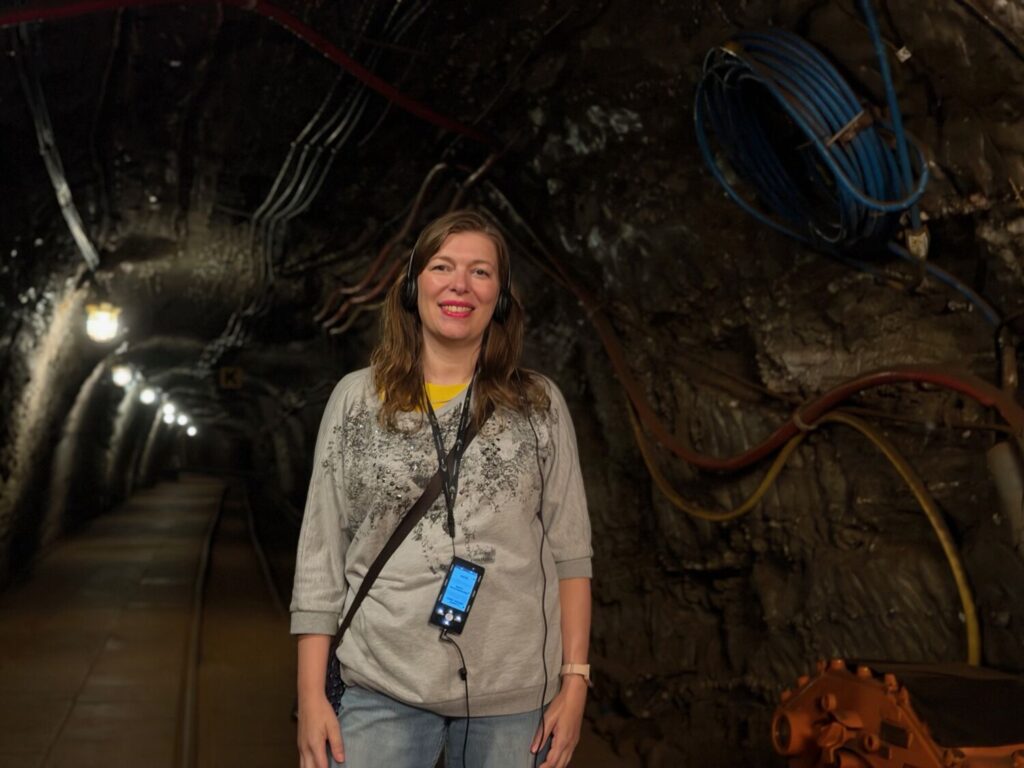
The area around Kraków is famous for its salt mines, the best known being Wieliczka. Since we were travelling by car, however, we chose to visit the less touristy Bochnia Salt Mine, the oldest in all of Poland. The visit is genuinely moving, immersing you fully in the history of Poland’s salt trade and the harsh life of the miners. You’ll explore on foot, aboard a small train that’s actually a suspended monorail, and even take a short boat trip across an artificial reservoir saltier than the Dead Sea.
The mine’s history is fascinating in itself, but the real surprise is the vast halls carved into the rock. Alongside the classic miners’ chapel found in every mine, Bochnia has a gym, a dormitory for visiting school groups staying overnight, and even an excellent underground restaurant where we ate very well.
Bochnia Salt Mine
Campi 15, 32-700 Bochnia, Polonia
Central Poland: The Polish Military Aviation Museum in Dęblin
Our journey continued to Dęblin to visit the Military Aviation Museum. I had high expectations for this stop, but unfortunately we ran into our first disappointment. The modern flat with amazing reviews we’d booked online turned out to be a student residence, with no lift and a bathroom shared with other families, misled like us by the booking sites.
We then visited the museum on Polish Armed Forces Day and expected big celebrations. Instead, it was an especially crowded visit due to free entry for the holiday, and the special museum tour dedicated to the event was only in Polish. All the effort of timing this stop for that particular day turned out to be wasted.
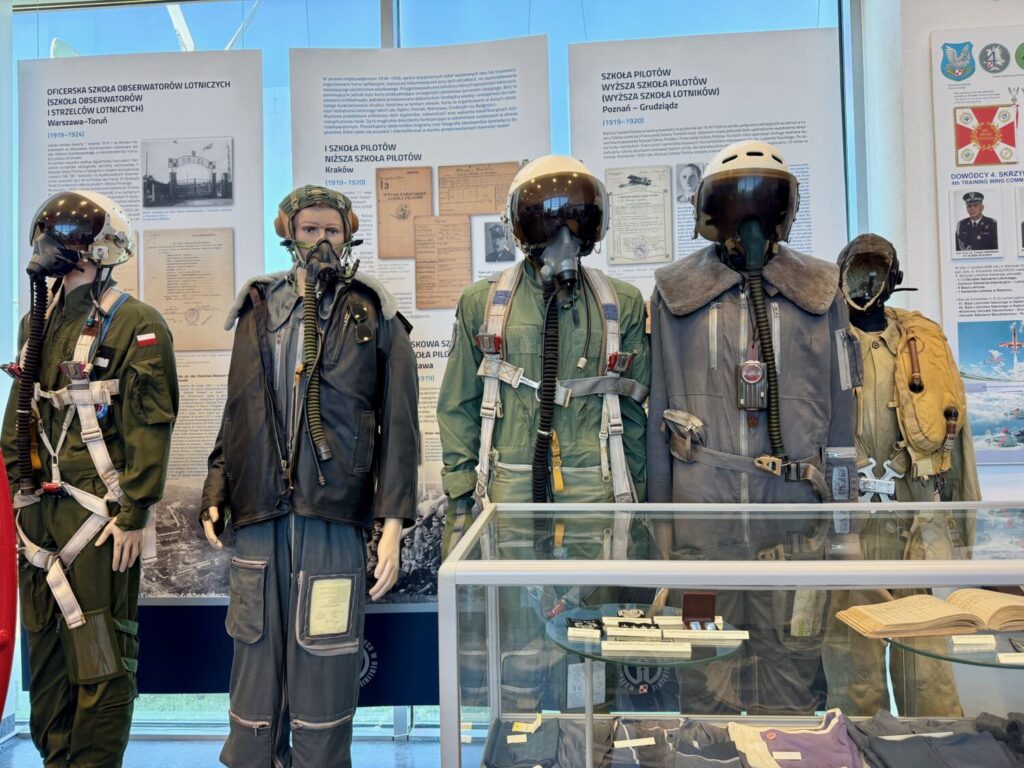
On the plus side, the museum is fascinating and tells the story of the Lotnicza Akademia Wojskowa, Dęblin’s air force academy, founded in 1939. Over the years the school became one of the pillars of Polish military aviation, training generations of pilots and officers. Exhibits include historic uniforms, and you can climb into the cargo hold of the C-130E Hercules on display outside, a military troop transport aircraft. In the outdoor area you’ll find many post-war aircraft once used by NATO.
Air Force Museum Lotników Polskich 1, 08-530 Dęblin, Poland
Gdańsk and Gdynia: History and Sea on Poland’s Baltic Coast
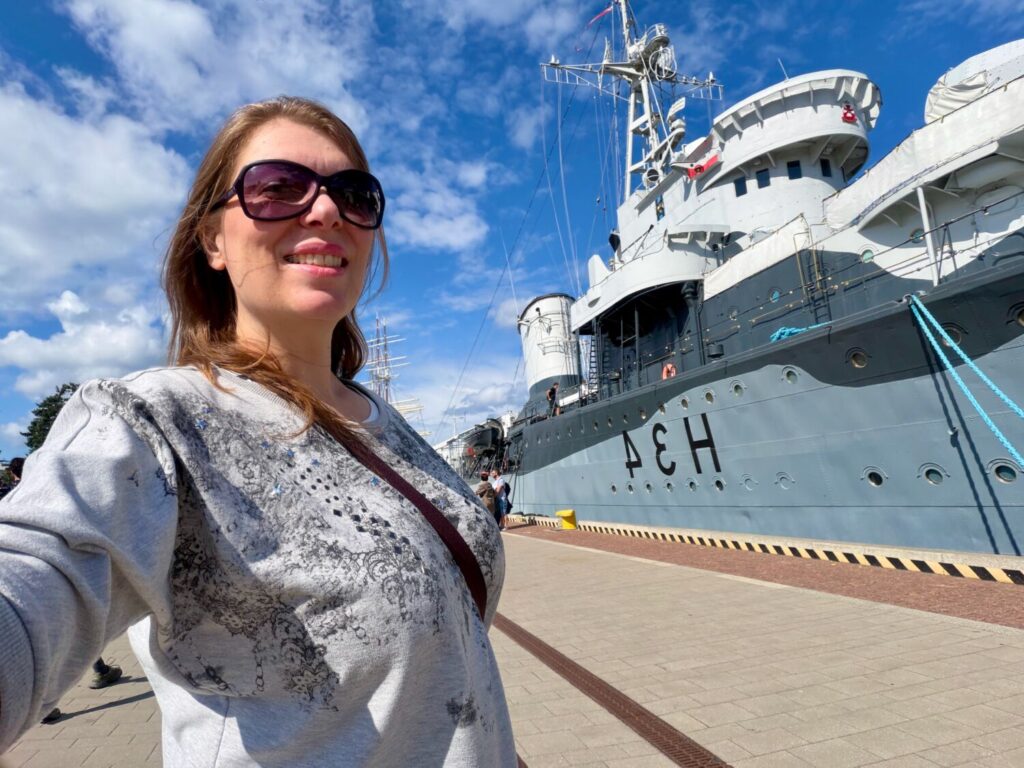
On the Baltic coast we visited Gdańsk and Gdynia. In Gdańsk especially, we expected an industrial, almost post-Soviet atmosphere, but found something completely different. Both are highly popular tourist cities. Their modern history and naval culture are told mainly through museums. The two cities share the Gdańsk Card, which let us visit two ships and a real submarine.
Gdańsk Card, also available as a digital version on the app
Gdańsk: Modern History and Naval Heritage in a Hanseatic City
Perhaps because it was summer, we found Gdańsk very crowded. We were even unable to visit some museums due to long queues or sold-out tickets, so we had to improvise. The historic centre of Gdańsk is worth exploring even without a fixed itinerary, because there’s beauty wherever you look.
On the first day we wandered through the centre and visited the Museum of the Second World War, which traces the rise of totalitarianism in Europe leading up to the outbreak of the conflict. The museum sits in the basement of a striking reinforced concrete building, which makes the visit even more dramatic and immersive.
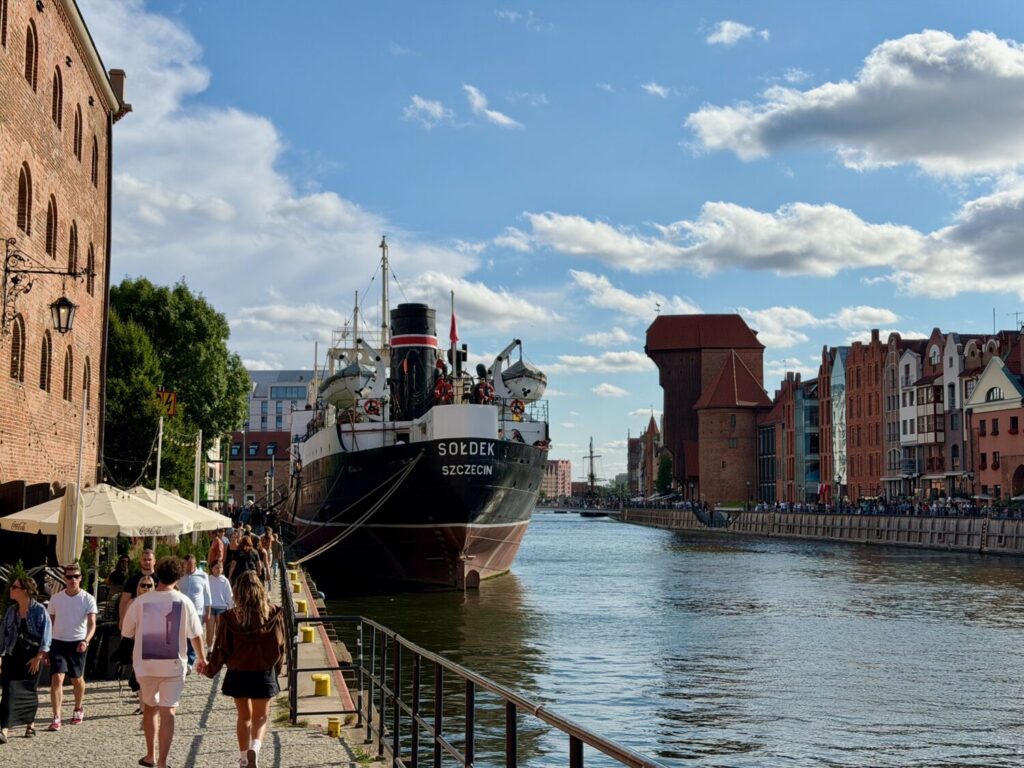
The next day we visited the National Maritime Museum. There is an amazing section about Polish ocean liners, but my son was even more captivated by the scale models and ship replicas on display on the next sections. We then boarded the Sołdek, the first ship built entirely in Poland after the war, moored in front of the museum.
In the city you can also rent car-shaped pedal boats, motorboats and paddleboards to explore the Motława River independently, or join tours on larger boats, including a pirate ship that thrilled my son. We watched them all sail past while waiting for the pedestrian bridge to lower, and they’re now on our list for next time.
In Gdańsk we stayed in a modern luxury flat, unfortunately managed by a company running hundreds of B&Bs across the city. Next time I’ve already identified the hotels I’d rather stay in. As well-kept as the flat was, I prefer places with more character and personal service, rather than feeling like just a number receiving a pre-written message.
Museum of the Second World War
Plac Władysława Bartoszewskiego 1, 80-862 Gdańsk, Polonia
National Maritime Museum and the Sołdek Ship
Ołowianka 9-13, 80-751 Gdańsk, Polonia
Gdynia: Naval Museums and Baltic Sea Beaches
Gdynia is a seaside town joined to Gdańsk, with which it shares the same tourist card. Travelling by car, it’s hard to tell exactly where one city ends and the other begins. We’d chosen a place that looked, online, like a lovely beachfront B&B with private parking. Instead we found ourselves in a scout house with no towels, in a building once used by the secret services to torture officers and soldiers of the Polish Secret State’s Home Army.
On the plus side, Gdynia’s beach on the Baltic Sea is stunning: a long, pristine stretch of fine sand. We spent every spare moment there between visits, my son playing in the sand while I read the book I’d brought along.
During our stay we visited the Maritime Museum, the nearby ORP Sokół submarine, and the Second World War destroyer ORP Błyskawica along with the training ship Dar Pomorza, all moored a short walk from the beach. In Gdynia we also discovered Pierozek, a fantastic restaurant specialising in pierogi, served in more creative ways than the classic Polish recipes. We tried classic pierogi, pierogi smothered in melted mozzarella, and fried pierogi, with portions so generous we struggled to finish them.
Maritime Museum
Zawiszy Czarnego 1B, 81-374 Gdynia, Polonia
ORP Sokół Submarine
Franciszka Sędzickiego 11, 81-371 Gdynia, Polonia
ORP Błyskawica Museum Ship
al. Jana Pawła II 1, 81-345 Gdynia, Polonia
Dar Pomorza Museum Ship
al. Jana Pawła II 1, 81-345 Gdynia, Polonia
Pierozek
skwer Kościuszki 15, 81-370 Gdynia, Polonia
North-Western Poland: The Soviet Nuclear Warhead Bunker at Podborsko
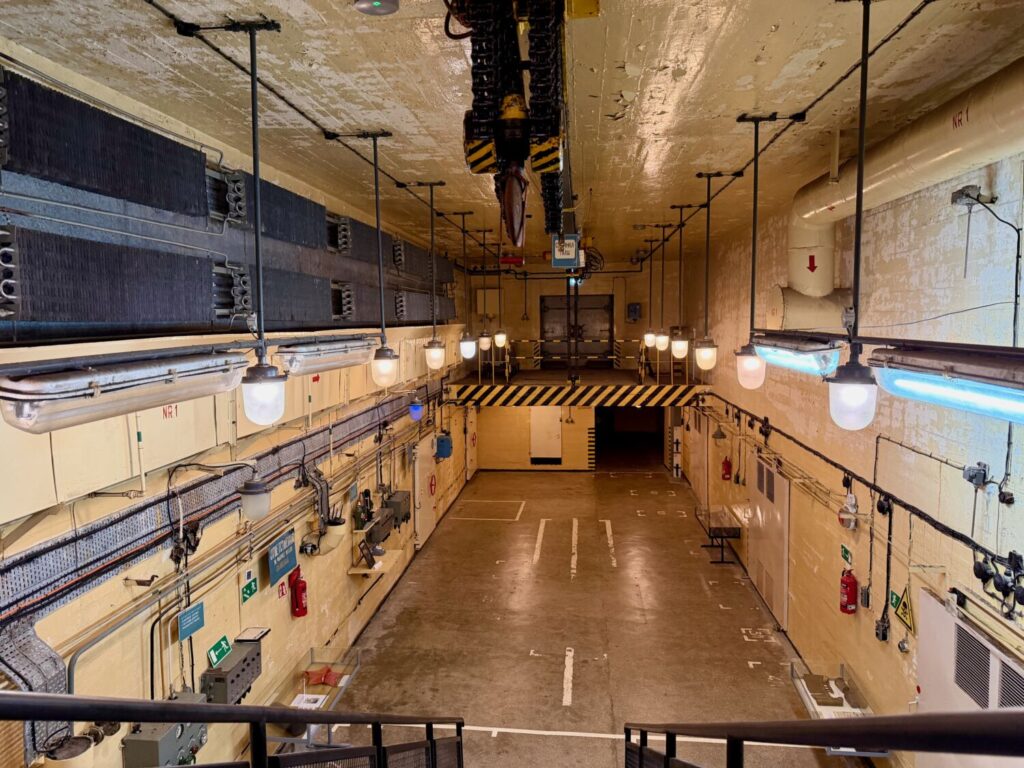
The most unusual destination on our itinerary was the secret bunker at Podborsko, on a former Soviet Cold War military base in north-western Poland. It sits deep in a forest, far from any town, and reaching it means driving along a rough dirt track. That track first leads to an actual prison, which every visitor mistakes for the bunker’s entrance, thanks to the barbed wire that adds to the post-war atmosphere.
During the Iron Curtain era, the bunker was a secret base within a wider military complex, and very few people even knew of its existence, since it was used to store nuclear warheads. For this reason it was fully climate-controlled, with an automated system still running today. You can only enter with a guided tour, unfortunately only in Polish, so much of the information passed us by.
Cold War Museum Podborsko 3001
Podborsko, Polonia
Osieczna: Relaxing by Lake Łoniewskie
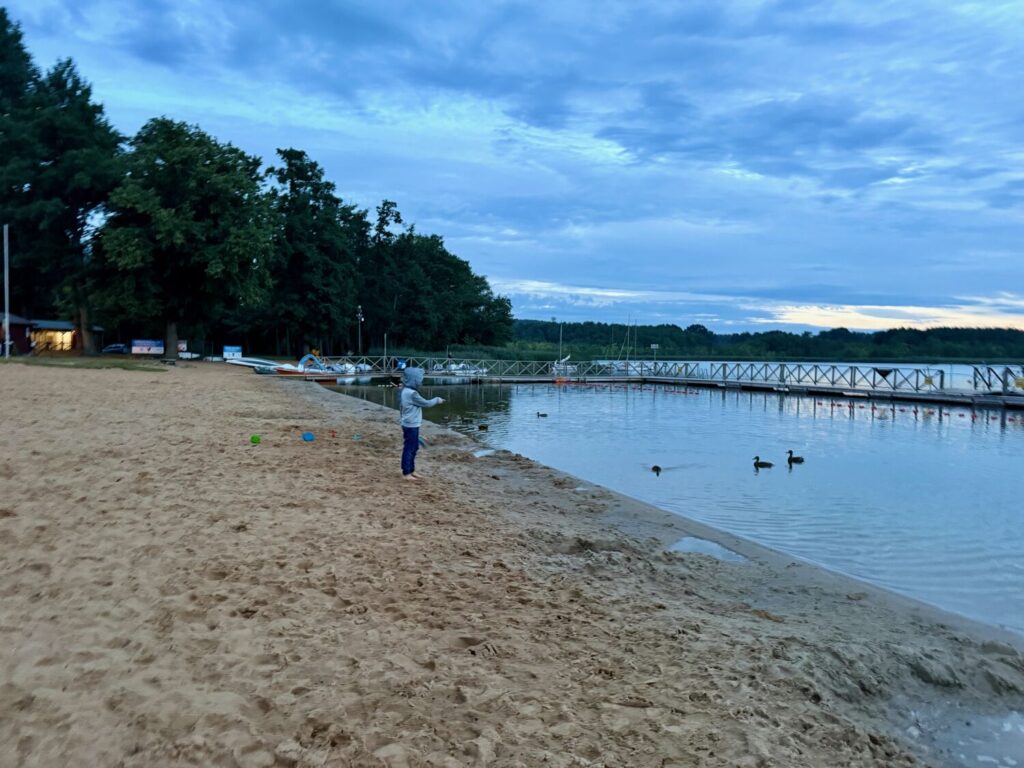
To break up the journey south, I needed to add an overnight stop in central Poland, even though there were no attractions there relevant to this trip. I searched the map for an area conveniently close to the motorway but also pleasant enough to rest in, and that’s how we stumbled upon Lake Łoniewskie.
The plan was to relax on the lakeshore, so I booked a pretty room in what I thought was a holiday home. It turned out to be a state-run building rebranded as a youth hostel, actually used to house summer camps and travelling state employees. Still, despite the usual misunderstandings with staff who spoke no language other than Polish, we had a wonderful stay and a genuinely warm welcome.
The place turned out to be perfect for a family holiday, and had we known sooner, we’d have stayed a few extra days. Lake Łoniewskie is swimmable and has a fantastic, well-equipped sandy beach, alongside a playground and a relaxation area with fixed sun loungers. The private room at the hostel was so cheap, in fact, it cost less than a single dorm bed at a hostel in most European cities.
Youth Hostel Morena
Mikołaja Kopernika 4, 64-113 Osieczna, Polonia
Silesia: Industrial Heritage and Art in Katowice, Southern Poland
Our journey continued into Silesia, a region historically tied to the mining industry, where we stopped for a few days. After previous experiences with flats and B&Bs that didn’t match their online descriptions, we decided to choose a proper hotel for our last few days in Poland.
I would have loved to stay at another Hampton by Hilton, my go-to choice when travelling with my son, but there are no Hilton hotels in Katowice. So we booked a four-star hotel with a pool outside the city.
After more than ten days in Poland, I should have known that glowing reviews don’t always mean good quality. We ended up in an over-the-top hotel popular with rowdy families. To reach the pool, decorated with kitsch purple neon lighting, you had to walk through the dining room in your swimsuit. Breakfast, which looked lavish, was only just passable. At least the staff were very friendly and spoke English.
Modern Art and History at the Silesian Museum in Katowice
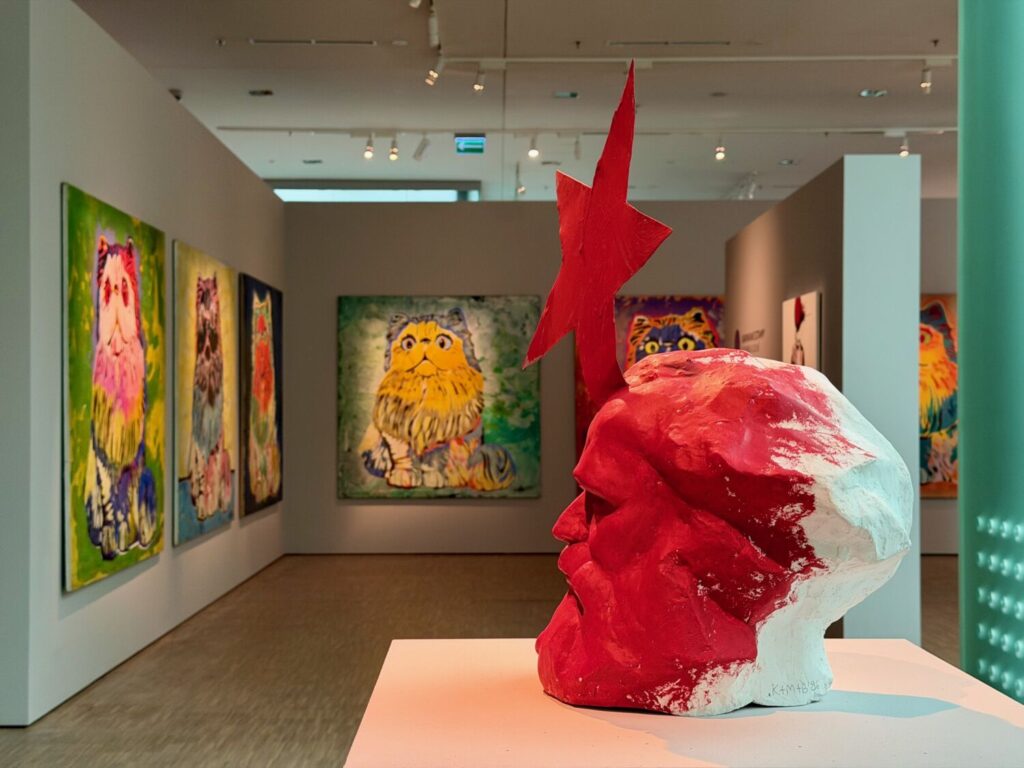
The Silesian Museum in Katowice occupies the site of a former coal mine, now repurposed, and it was the obvious starting point for exploring the region. The museum is genuinely vast, spread across several buildings that blend historic mining architecture with futuristic glass structures. Inside you’ll find a gallery of modern Polish art and an immersive section on the region’s history, tracing Silesia’s industrial development, its division from Germany, and right up to the Solidarity movement, or Solidarność.
Silesian Museum
Tadeusza Dobrowolskiego 1, 40-205 Katowice, Polonia
Guido Mine: Inside a Real Coal Mine
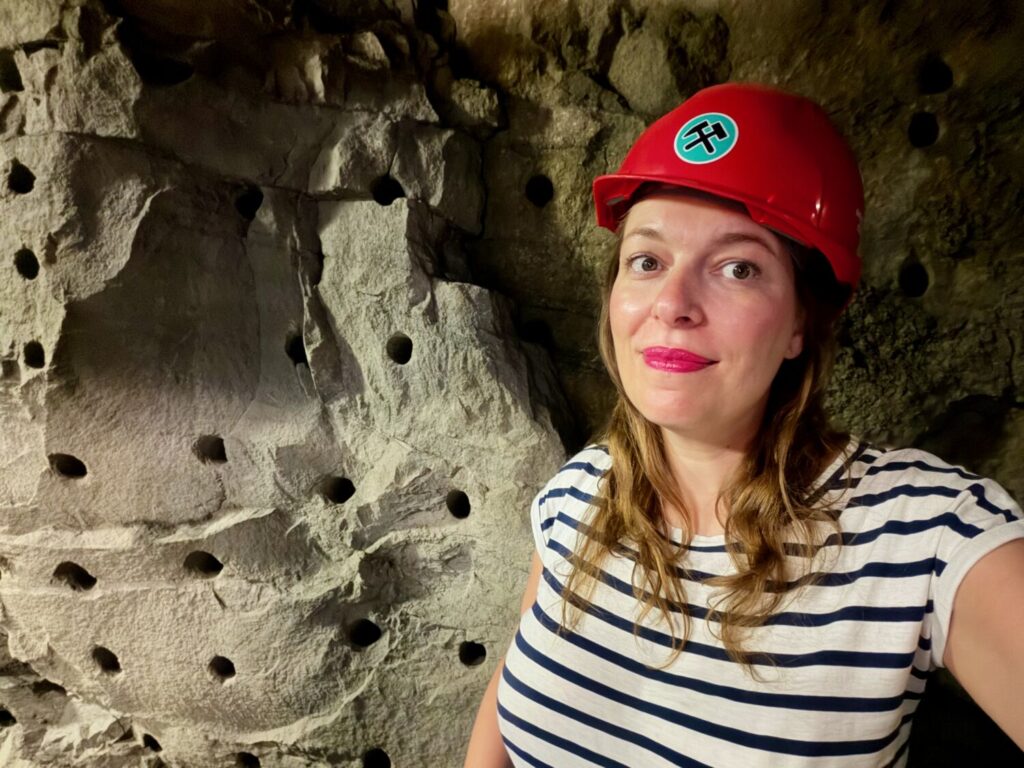
The Guido Mine in Zabrze is a genuine coal mine, with an underground route explored by industrial lift. The mine has lived three different lives: as an extraction mine, an experimental mine and, today, a museum. The underground tour is remarkable, and the guide genuinely powers up the old machinery used for coal extraction. Visitors are also left to reflect on the environmental and social impact of the extractive industry in Silesia.
Guido Mine and Coal Mining Museum
3 Maja 93, 41-800 Zabrze, Polonia
The Return to Austria via the Red Bull Hangar-7 and an Unlikely Niki Lauda Shopping Mall in the Czech Republic
On the way back we passed through the Czech Republic, stopping at the shopping mall with Niki Lauda’s aviation-themed restaurant in Chvalovice-Hatě, almost on the Austrian border. Naturally we couldn’t resist stopping, but it turned out to be the strangest experience of the entire trip.
Outside stands an Ilyushin Il-62 airliner, improbably repainted, next to a giant medieval suit of armour, the symbol of Excalibur City, a huge shopping and entertainment complex built in the 1990s. The famous Jet Rest, Niki Lauda’s restaurant built inside the aircraft, appeared permanently closed, while the whole complex felt abandoned and forgotten.
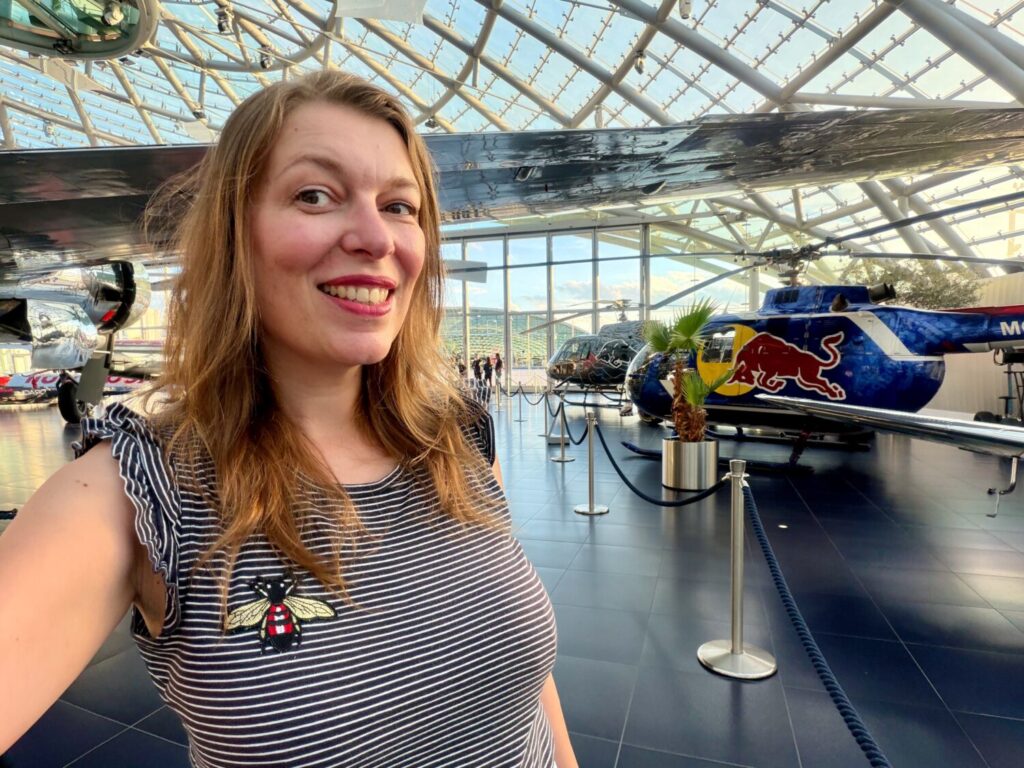
Thankfully we then stopped in Salzburg to visit the Red Bull Hangar-7, to see the historic aircraft, motorbikes and race cars of the Red Bull fleet: an absolute marvel. The building, next to Salzburg Airport, is made of glass and shaped like the fuselage of a plane, and also houses several contemporary restaurants on its upper floors. The experience is unique, featuring a contemporary art exhibition alongside the vehicles, making it a genuinely spectacular stop.
Since this was our only planned visit that day, we stayed overnight at a Best Western along the motorway, a safe choice when you want a decent room and good food. It surprised us in a good way, with enormous rooms, a zen garden on the terrace complete with fountain and pond, a gym and an excellent breakfast, none of which we expected from a motorway hotel.
Excalibur City
Chvalovice-Hate 183, 669 02 Znojmo 2, Cechia
Red Bull Hangar-7
Wilhelm-Spazier-Straße 7a, 5020 Salzburg, Austria
Best Western Hotel am Walserberg
Zollstraße 4, 5071 Wals, Austria
What to Eat in Poland: Pierogi, Snacks and Restaurant Hours
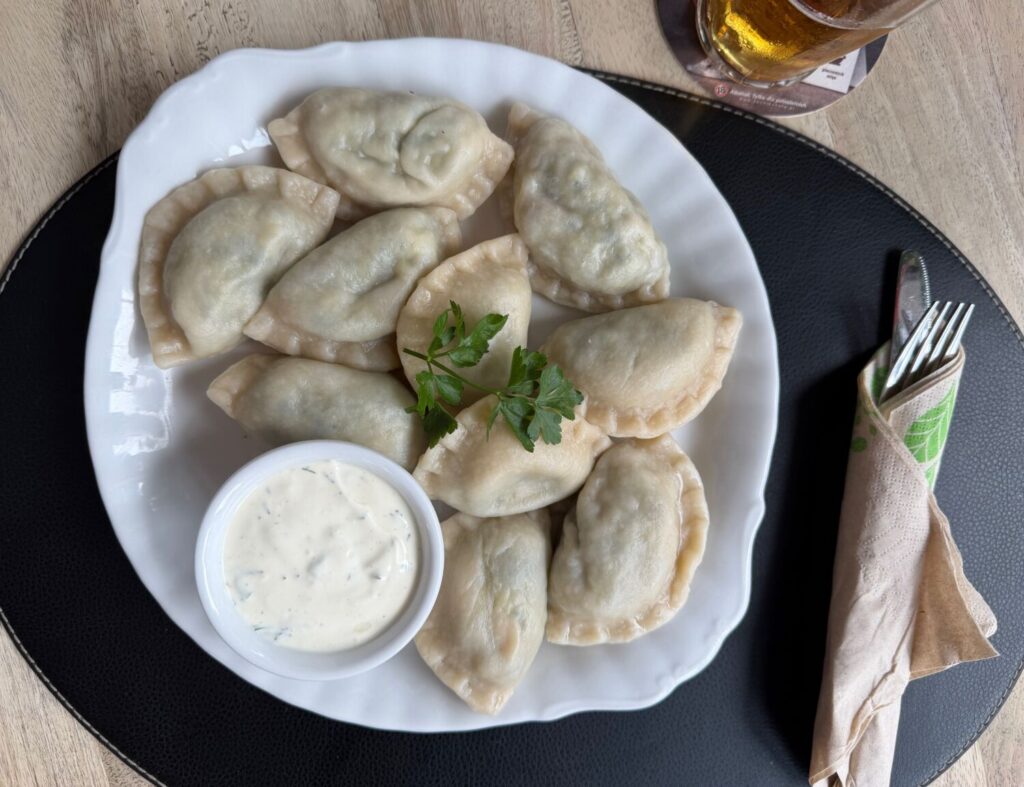
Food in Poland is fantastic wherever you go. Polish cuisine is hearty and flavourful, ranging from soups to pierogi, the country’s famous stuffed dumplings. My son, a huge fan of Central and Eastern European food, instantly fell in love with the fruit-filled pierogi we ate practically everywhere.
In Poland, lunch is often a quick affair, such as toast or a sandwich. Dinner, by contrast, is more substantial, typically including soup, pasta and meat. Restaurants stay open all day with no fixed serving hours, so you can easily eat lunch at 4pm, and nobody thinks it’s unusual.
Throughout our trip we tried various types of restaurants, letting reviews guide our choices, and we ate well almost everywhere. In this article I’ve flagged only the places that, in my view, stand out above the average, but you’ll genuinely eat well wherever you go.
For a snack or a light meal, I’d recommend stopping at a bakery, where you’ll find excellent pastries and savoury buns, or grabbing a hot dog from Żabka, a convenience store chain found everywhere. I’ve no idea why hot dogs are so beloved in Poland, but we too got caught up in the enthusiasm for this quick, tasty and cheap snack.
On the nights we stayed in flats, we also indulged in one of our favourite travel habits: browsing supermarkets for ready-made meals. I’m not sure whether it’s simply because restaurant standards in Poland are so high, but this time it left us far less satisfied than in other countries. So my advice is to eat out whenever you can.
Practical Tips: What to Know Before You Go About Hotels and Museums
As a general rule, based on our experience, it’s worth choosing well-known chain or design hotels in Poland, rather than flats and hotels managed by local agencies. Some of our accommodation didn’t match its online description despite excellent reviews, and it’s the first time I’ve encountered such a big gap between the two. Even the four-star hotel in Silesia, supposedly the best in the region according to online reviews, turned out to be very disappointing. By comparison, the Hampton by Hilton in Kraków and the Best Western in Salzburg, both three-star properties, offered noticeably higher quality and service.
I initially assumed the missing towels and patchy cleanliness at some places were simply because we didn’t speak Polish. However, a friend of Polish origin confirmed that tourists aren’t always treated the same as locals. Thankfully, that’s not the case everywhere, and in this article and the individual attraction write-ups I’ve flagged the places where we had a genuinely great stay and that are well worth visiting.
As for the attractions, I’d strongly recommend booking tickets online for the most popular museums, to avoid sold-out tickets and long queues in high season, as happened to us in Gdańsk. To give you a concrete example, the European Solidarity Centre in Gdańsk is the kind of attraction that, on a summer Sunday, might already be sold out by mid-afternoon, despite staying open until 8pm.
In museums where audio guides are available, I’d absolutely recommend renting one, as we found them extremely well made in both English and Italian. Many Polish museums use a brilliant system where the audio guide activates automatically as you reach each point in the exhibition, making the visit far more engaging and easier to follow.
This trip let us discover a side of Poland far removed from the busiest tourist trails, along with two long-awaited stops in Austria on the way. Between mines, military museums and Cold War sites, we followed an itinerary packed with genuinely educational moments. My son had an absolute blast, though I did far too much driving and we ran into more than our share of tourist mishaps in Poland. Even so, it’s a trip I’d do again in a heartbeat.
