London is a vast city, and exploring it on foot alone is simply not realistic. If you are staying outside central areas or planning to visit multiple attractions, you will need to rely on public transport. In this guide, I explain how London’s transport system works and how to use it efficiently, from the Tube and buses to trains, river services and even the cable car.
PLAN YOUR TRIP TO LONDON
Prepare for your London adventure by securing the London All-Inclusive Pass, granting access to 80+ attractions, guided tours, and a Thames adventure with the Hop-On-Hop-Off Big Bus and Uber Boats by Thames Clippers.
Stay connected in the UK with a giffgaff free SIM or an Airalo eSim for data coverage throughout your London journey. And don’t forget to get Heymondo Travel Insurance, which covers any inconveniences during your trip!
Table of Contents
How to Use Public Transport in London: Quick Guide
Getting around London is easier than it looks once you understand how the system works. Public transport is efficient, well connected and simple to use. Transport for London runs the entire network, bringing together the Underground, buses, trams, trains and river services into one integrated system.
London public transport is completely cashless, and the easiest way to pay is by using a contactless card or a mobile payment device. Alternatively, you can use an Oyster Card, a popular option among visitors that works in exactly the same way.
When travelling on the Underground, Overground, DLR or trains, you must tap in at the start of your journey and tap out at the end, so the system can calculate the correct fare. On buses and trams, you only need to tap in once when you board, making them one of the simplest options for short journeys.
To plan your routes, I recommend using Google Maps or the official TfL app, both of which provide real-time updates and help you find the most convenient connections. Fares depend on travel zones and time of day, but there is a daily cap, meaning you will not spend more than a fixed maximum amount per day.
From my experience, the underground is the fastest way to travel across the city, while buses and river services provide a more scenic alternative, allowing you to see how London changes from one neighbourhood to another. Even taking a classic red double-decker bus becomes part of the experience, not just a way to get around.
Best Ways to Get Around London: Which Transport to Choose
Choosing the right transport in London depends on your priorities and the type of experience you are looking for. Each option has its advantages, and understanding when to use each one can save you both time and money.
- Fastest option: the Tube is the quickest way to travel across long distances, especially between central areas
- Cheapest option: buses offer a lower fixed fare and are ideal for short journeys
- Most scenic option: river services and buses allow you to see the city while travelling
- Best for airport connections: trains and the Elizabeth line provide fast and direct links
Understanding how the network works helps you get around London more efficiently. You can find official maps on the website of Transport for London or in most Underground stations. However, once you understand how the main lines connect, digital tools become far more useful.
In practice, I rely almost entirely on Google Maps or the TfL app. They combine all transport options and calculate the best route in real time, including walking distances and connections. This makes navigating such a complex network much easier, especially if you are visiting for the first time.
During my stay in Canary Wharf, for example, Google Maps often suggested using the Overground and DLR, combined with the Underground, to reach different attractions. Relying only on the Tube map, as I did on my first trips to London, would have made moving between areas far more complicated.
London Public Transport Options Overview
London offers one of the most extensive public transport networks in the world, connecting every part of the city and beyond. From the underground and buses to trains, trams and river services, each option serves a different purpose. Understanding how these systems work together helps you choose the most efficient option, depending on distance, time and the experience you want.
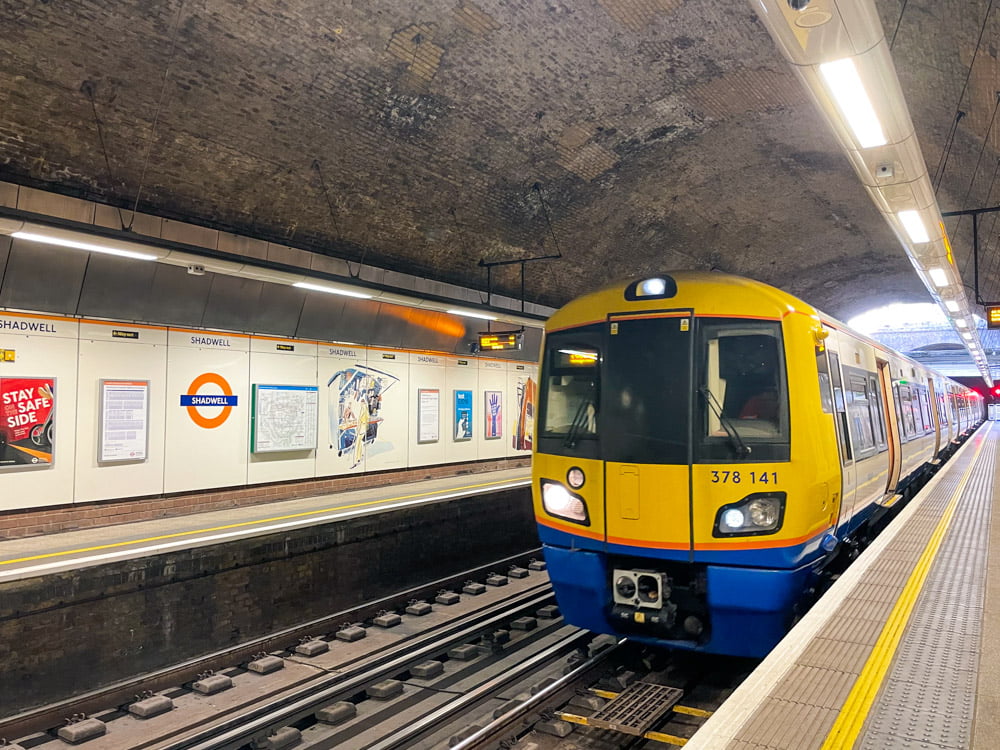
London Underground (Tube): Fastest Way to Get Around the City
The London Underground, commonly called the Tube rather than the Underground, is one of the most extensive metro systems in the world. It includes 11 lines covering over 400 kilometres and more than 270 stations, reaching almost every area of the city. In most neighbourhoods, you will find at least one station nearby, often within walking distance, making it the most efficient way to travel across London.
The Underground is also the oldest metro system in the world. The Metropolitan line opened in 1863 and originally ran with steam locomotives before it was electrified in the early twentieth century. Today, it remains the backbone of the city’s transport network, connecting central London with outer areas in a fast and reliable way.
Trains run frequently throughout the day, usually every 2 to 10 minutes depending on the line and time. Services typically operate from around 5:00 in the morning until midnight, with some lines running overnight as part of the Night Tube network. If you are planning to travel late, it is always worth checking the timetables on the Transport for London website to avoid unexpected delays.
London Buses: Cheapest and Most Scenic Way to Travel
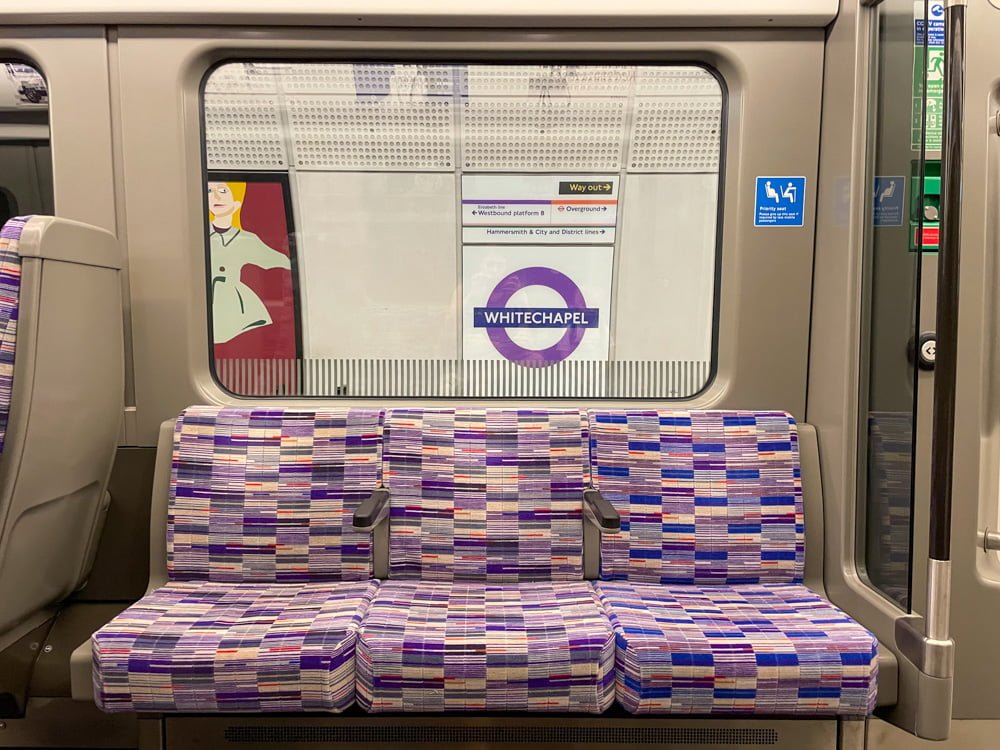
London’s bus network includes nearly 400 routes and more than 15,000 stops, covering every part of the city. At first, it may seem difficult to navigate, but buses are a reliable and practical option for getting around, especially if you are not in a hurry. They are also the most affordable way to travel across London, with a fixed fare regardless of distance.
One of the main advantages of taking the bus is the experience itself. Unlike the underground, buses allow you to see how the city changes from one neighbourhood to another, from historic streets to modern areas. During my trips, I often travelled on the iconic red double-decker buses, choosing the front seats on the upper deck for a panoramic view. It quickly becomes part of the experience, not just a means of transport.
To plan your journey, you can rely on tools like Google Maps or the official Transport for London app. They combine all available transport options and provide real-time updates, helping you choose the most efficient route, including walking segments and any necessary connections.
London buses operate 24 hours a day, including night services when the underground is closed. This makes them particularly useful if you stay out late or need to return to your accommodation after an evening out. During the day, buses usually run every 5 to 15 minutes, while at night the frequency drops to around every 20 to 30 minutes, depending on the route.
Overground and DLR: Best for East London and Outer Areas
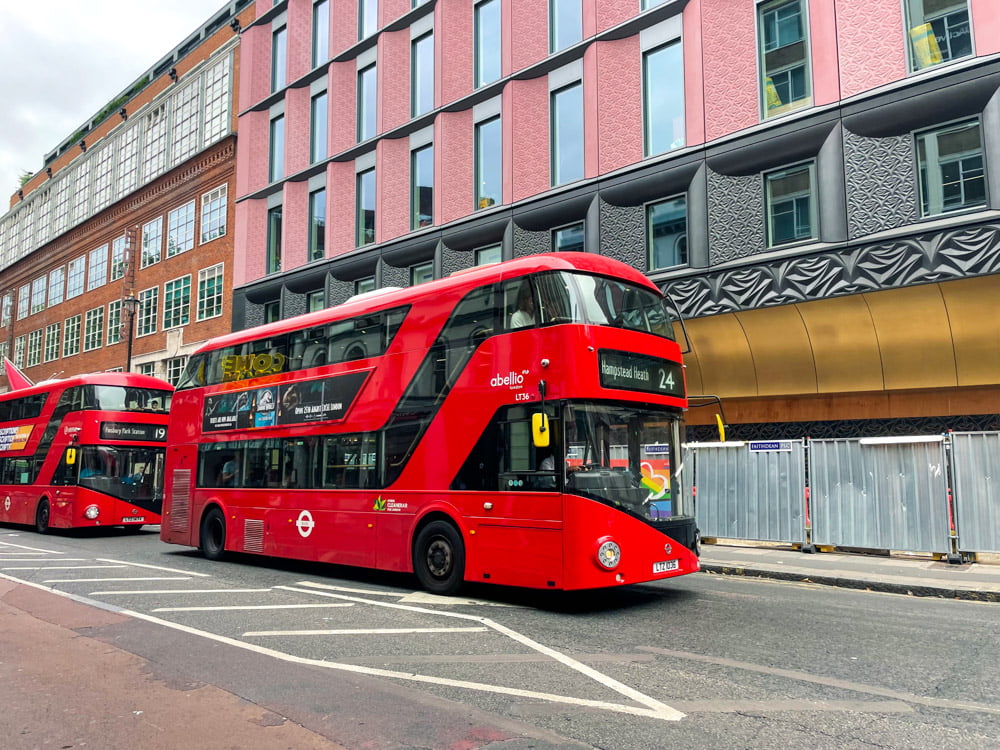
In addition to the underground and buses, London has an extensive network of urban trains connecting the city centre with outer areas and surrounding districts. These services cover more than 1,000 kilometres and integrate fully with the rest of the public transport system. The main networks are the Overground and the DLR, each serving different parts of the city and providing essential links beyond central London.
London Overground: How to Use It and When It Is Useful
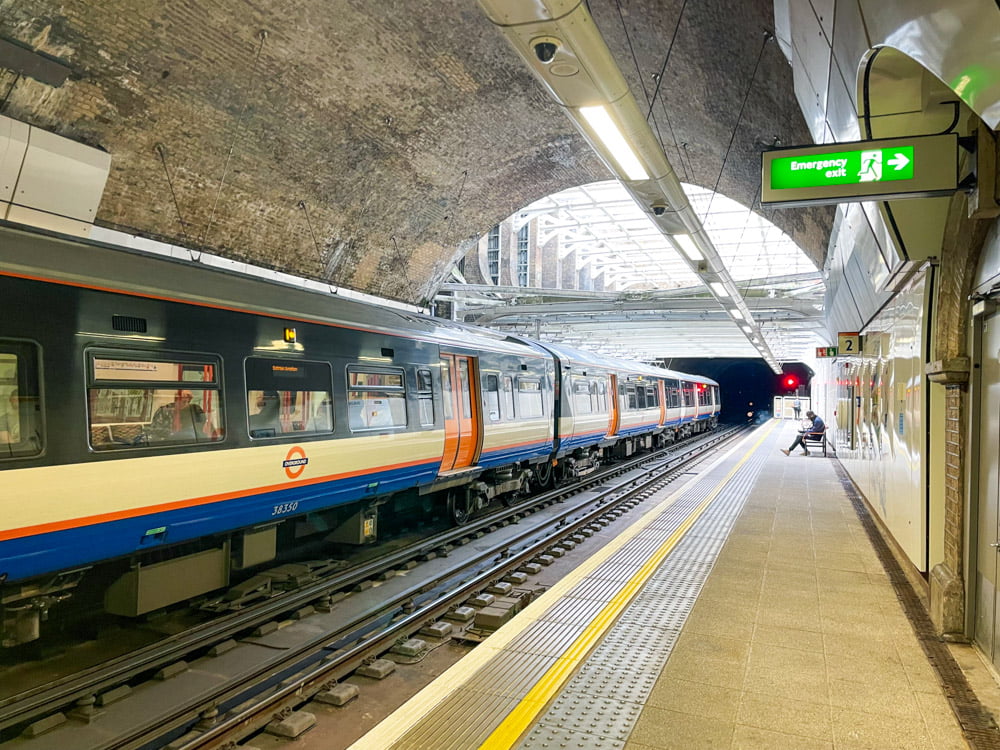
The London Overground is a suburban rail network that connects with the wider transport system run by Transport for London. It is particularly useful for travelling between outer districts or moving across the city without passing through central London. Most lines run above ground, offering a different perspective compared to the underground.
Trains operate frequently throughout the day, typically every 5 to 15 minutes, with reduced frequency in the evening. The Overground is a practical option when the Tube does not provide direct connections, and it is often the most efficient way to travel between neighbourhoods outside the city centre.
Docklands Light Railway (DLR): Best Routes and Key Areas Covered
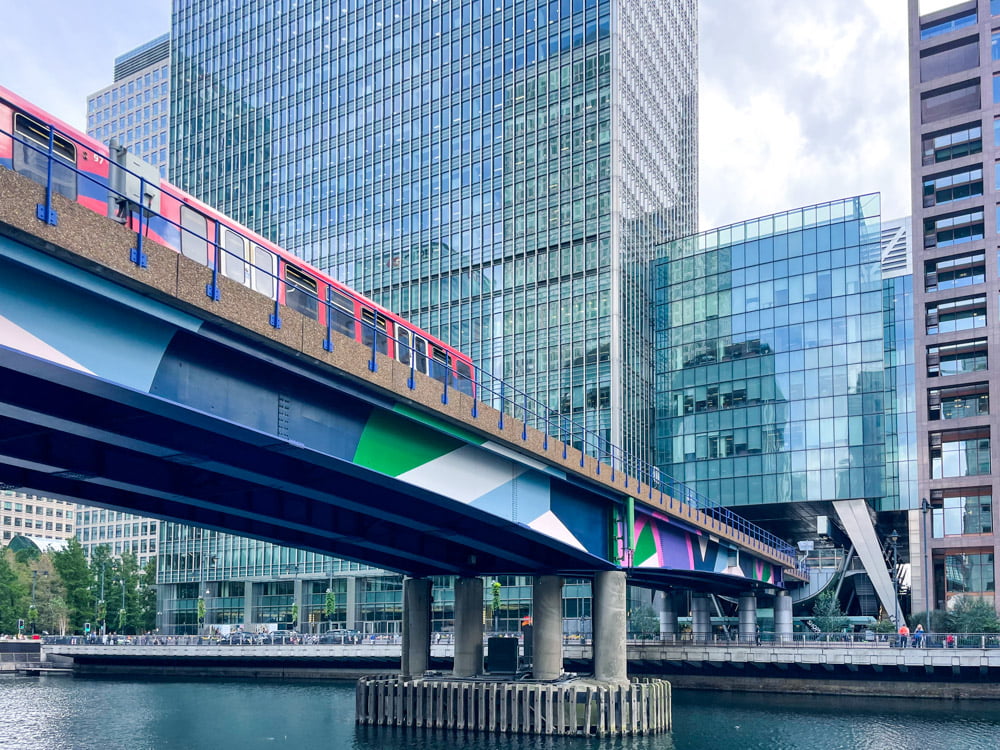
The Docklands Light Railway, usually referred to as the DLR, is a light rail system serving East London. Originally built to connect the Docklands area, it has become an essential transport option for both commuters and visitors.
The DLR connects key areas such as Canary Wharf, London City Airport and the O2 Arena, making it particularly useful if you are staying or exploring in this part of the city. Trains run frequently, usually every 2 to 10 minutes during the day, with less frequent services at night. Its automated system and large windows also make it one of the most interesting lines to experience, especially for first-time visitors.
London Trams: Transport Option for South London
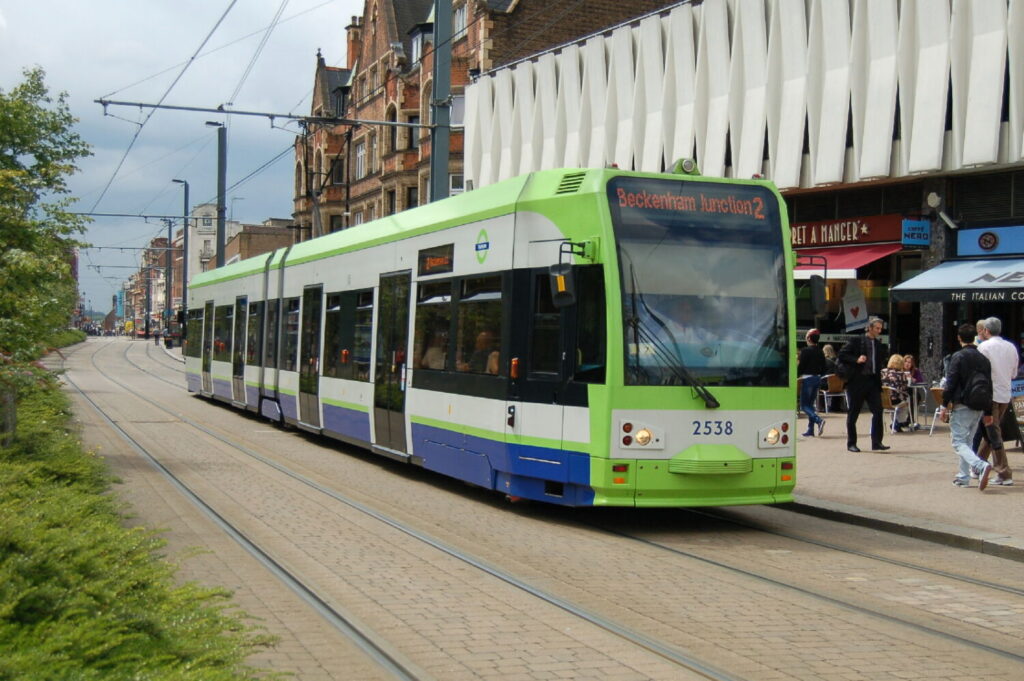
Many visitors do not realise that, despite its size, the London Underground does not cover every part of the city, particularly in the southern areas. For example, Croydon in South London has no underground stations but is served by a modern tram network.
The Tramlink network, identified by its green and blue roundel, connects several areas in South London and links with the wider public transport system at Wimbledon station. Trams do not appear on the standard Tube map, but tools like Google Maps include them when planning routes, making them easy to use.
Services run regularly throughout the day, typically every 5 to 10 minutes, with reduced frequency in the evening. Like other rail-based transport options, trams offer a reliable alternative in areas where the underground is not available, making them a practical solution for exploring South London efficiently.
River Bus and Thames Cruises: Getting Around London by River
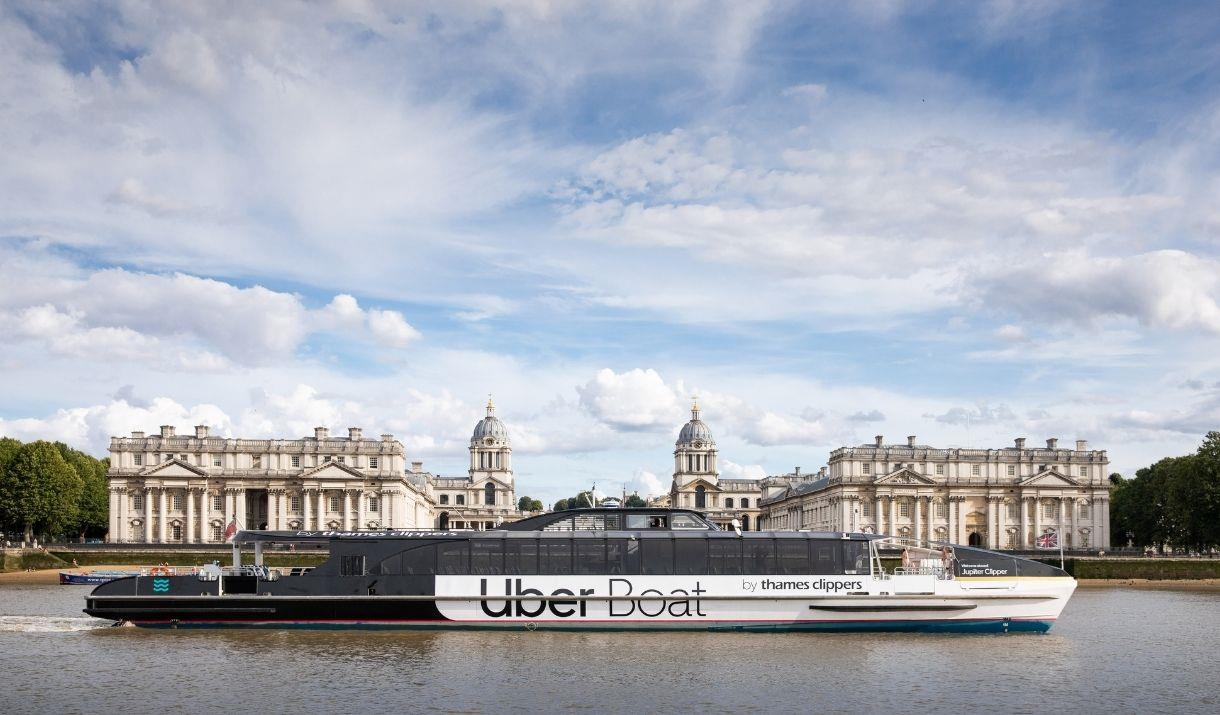
Travelling along the River Thames offers a different perspective on London, combining transport with views of some of the city’s most iconic landmarks. River services form part of London’s wider transport network and include both commuter boats and sightseeing cruises. These are operated by Uber Boat by Thames Clippers and provide an alternative way to move across the city.
River Bus London: How It Works and When to Use It
River Bus services integrate fully with London’s public transport system. You can pay using contactless cards or an Oyster Card, just like on buses and trams. These boats are designed for regular travel and are particularly useful for journeys between riverside areas that the underground does not connect directly.
Travelling by river can also help you avoid road traffic, especially in central London, while offering a more relaxed journey. River Bus routes are identified by the prefix RB, and stops are located along key points of the Thames, making them a practical option for both commuters and visitors.
Thames Cruises London: Routes, Tickets and What to Expect
Thames cruises in London, often operated by Uber Boat by Thames Clippers, are designed for sightseeing rather than daily transport. They follow similar routes to the River Bus but focus on the experience, allowing you to enjoy London’s skyline from the water. Popular landmarks visible along the route include the Tower of London, the Houses of Parliament and St Paul’s Cathedral.
Several operators offer different itineraries, including routes from Westminster to Greenwich, services around the London Eye area, and longer journeys towards Hampton Court or Richmond. While these cruises are not part of the standard fare system, they offer a more relaxed way to explore the city, and many visitors choose them as a complementary experience.
London Cable Car: Scenic Crossing Over the Thames
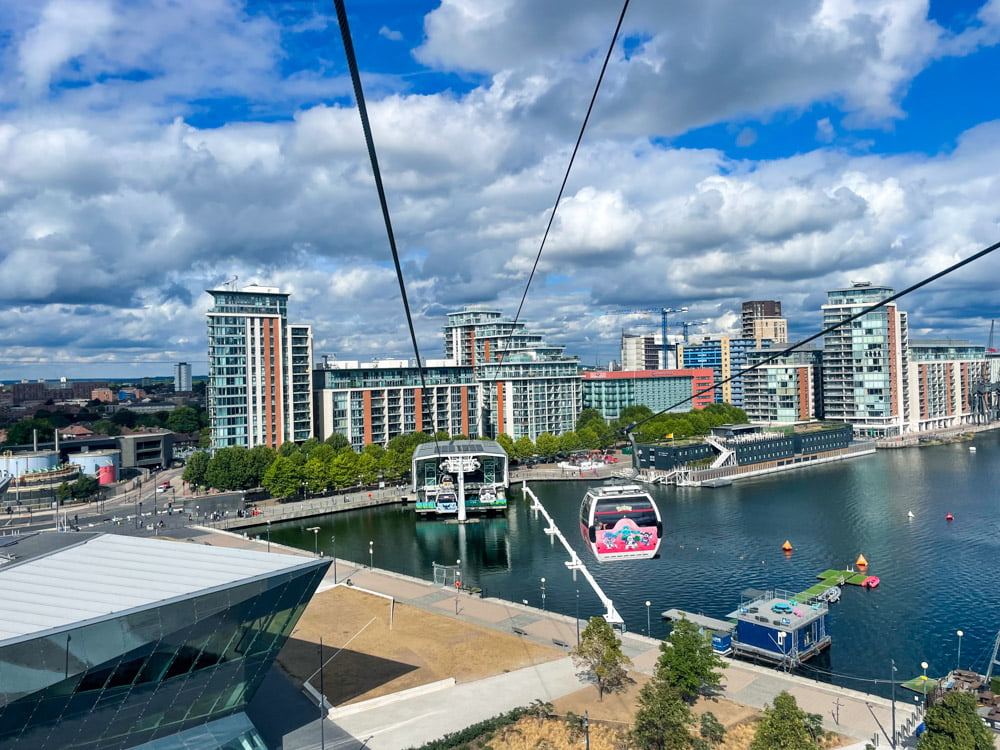
The London Cable Car is one of the most recent additions to the city’s transport network. It connects the Royal Docks area with the Greenwich Peninsula, offering a unique way to cross the River Thames. Since its opening, it has become a popular attraction, allowing visitors to enjoy panoramic views over East London from above.
Although mainly considered a tourist experience, the cable car also functions as a practical river crossing. It provides an alternative to road transport, helping you avoid traffic while travelling between the two sides of the Thames. You may find it listed under different names, such as Emirates Air Line or IFS Cloud Cable Car, as it changes branding over time.
The service operates daily, with opening hours typically from 7:00 to 21:00 in summer and until 20:00 in winter. You can buy tickets online, at the stations, or by using contactless or an Oyster Card, so you can include it in your itinerary without queueing at ticket offices.
London Transport Fares Explained
Public transport fares in London vary depending on the type of transport, the zones you travel through and the time of day. Bus and tram journeys currently cost £1.75 per ride, with a fixed fare regardless of distance. Underground, Overground and train fares typically range from around £2.20 to £3.10 in central zones, increasing based on distance and whether you travel during peak or off-peak hours.
Peak times usually apply on weekdays from 6:30 to 9:30 in the morning and from 16:00 to 19:00 in the evening. Travelling outside these hours can help reduce costs, especially if you plan to move around frequently during your stay.
For most visitors, the simplest and most convenient option is to use a contactless card or an Oyster Card. Both automatically apply a daily cap, meaning you will never pay more than a fixed maximum amount per day, no matter how many journeys you make. Depending on the zones you travel through, this cap increases progressively, reaching up to £23.60 for travel across all zones.
In practice, contactless and Oyster Card are the best choice for tourists, especially since you will likely combine public transport with walking while exploring the city. If you plan to rely heavily on public transport every day, you may also consider a Travelcard, which offers unlimited travel within selected zones for a fixed period.
You can read a detailed breakdown of fares, caps and the best ways to save money in my dedicated guide to London transport fares.
Oyster Card vs Contactless: What to Use
For most travellers, there is very little difference between using a contactless card and an Oyster Card. Both options work in the same way, applying the same fares and daily caps across the entire transport network.
A contactless card or mobile payment is usually the most convenient choice, as you can use it immediately without needing to buy or top up anything. It is ideal for short stays and occasional travel, allowing you to move around London quickly and without planning in advance.
The Oyster Card can be useful if you prefer a dedicated travel card or if you want to keep transport expenses separate from your bank account. It may also be a better option for longer stays or for those who prefer to manage a fixed budget.
From my experience, I still keep my Oyster Card from when I worked in London, as it can be useful as a backup when travelling with friends or family. However, in practice, I always end up using a contactless card, as it is simply quicker and more convenient for everyday use.
Overall, both options offer the same benefits, so the best choice depends on convenience rather than cost. Most visitors will find contactless the simplest solution for getting around London efficiently.
Conclusion: Getting Around London Made Easy
At first, London’s public transport network may seem complex due to the number of lines and transport options available. However, once you understand how the system works, getting around the city becomes simple and efficient. Every area of London is well connected, making it easy to travel between neighbourhoods without difficulty.
If you would like to explore the history behind this system, you can visit the London Transport Museum, where you can discover how transport has shaped the city over time. If you have already used public transport in London, feel free to share your experience in the comments and which option you found most convenient to use.
